
Materials
Materials
Materials
Pushing the Boundaries of Advanced Alloys
Pushing the Boundaries of Advanced Alloys
We specialize in developing and engineering high-performance materials tailored to the most demanding applications. Our expertise in metals and machining ensure that our components meet and exceed industry standards for strength, durability, and precision.

Material Concepts Tailored to Functional Requirements
The WECOBA alloy portfolio is structured into two clearly defined material classes, each developed to address specific functional priorities in demanding industrial applications. This classification allows precise material selection based on the dominant operating conditions, whether the focus is on thermal and electrical performance or on mechanical durability and environmental resistance.

WECOBA
Letter Grades
Optimized for Thermal and Electrical Performance.
WECOBA alloys designated by a letter are primarily developed for applications where thermal and electrical conductivity are the dominant performance requirements. These materials are used wherever efficient current transfer, controlled heat dissipation, and stable electrical contact are essential.
Typical applications include:
Resistance welding electrodes
Electrical contact components
Thermally loaded interfaces
Casting and cooling elements
High-current conductive parts
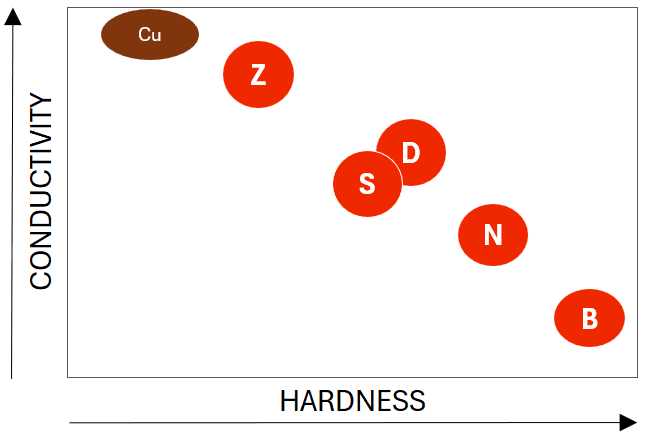
In these applications, WECOBA letter grades provide a carefully balanced combination of conductivity and mechanical stability. While maintaining excellent thermal and electrical properties, the alloys are designed to offer improved resistance to softening, deformation, and surface degradation under continuous thermal cycling.
This makes WECOBA letter grades particularly suitable for processes involving high current densities, short cycle times, and repeated heating and cooling, where consistent performance over time is critical.
WECOBA
Number Grades
Engineered for Wear Resistance, Corrosion Protection and Structural Stability
WECOBA alloys designated by a number are developed for applications where mechanical durability and resistance to harsh environments are the primary concerns. These materials are selected for components exposed to friction, abrasion, high contact pressures, corrosive media, or long-term mechanical loading.
Typical applications include:
Wear and sliding components
Bearings, bushings, and guiding elements
Machined machine parts
Components exposed to corrosive atmospheres
Structural parts with high service-life requirements
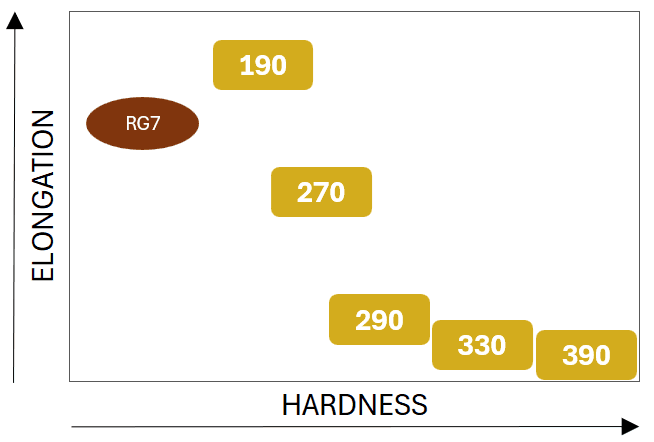
WECOBA number grades focus on enhanced resistance to wear, corrosion, and mechanical fatigue. Their alloy composition and microstructure are designed to deliver stable performance under load, minimizing dimensional changes and surface damage over extended operating periods.
These materials are especially well suited for applications where maintenance access is limited and where predictable, long-term reliability is essential for cost-efficient operation.
overview
technical datasheets
overview
technical datasheets
overview
technical datasheets
HIGH CONDUCTIVITY
COPPER ALLOYS
COPPER-ALLOYS
We work with high-performance metals engineered for extreme conditions:
HIGH CONDUCTIVITY
COPPER ALLOY
WECOBA® Z
Electrodes, holders and inserts, Electrode caps
Crucibles, moulds and cooling plates for continuous casting (Aluminium and Steel)
Current-carrying springs and contacts
Cr CHROMIUM | Zr ZIRCONIUM | OTHERS | Cu COPPER |
1.0 | 0.1 | max. 0.2 | balance |
Excellent electrical conductivity
Significantly higher strength and hardness compared to pure copper
Combines the advantages of CuCr and CuZr alloys in a single material
High thermal stability, even at elevated temperatures
Outstanding creep resistance
HIGH CONDUCTIVITY
COPPER ALLOY
WECOBA® Z
Electrodes, holders and inserts, Electrode caps
Crucibles, moulds and cooling plates for continuous casting (Aluminium and Steel)
Current-carrying springs and contacts
Cr CHROMIUM | Zr ZIRCONIUM | OTHERS | Cu COPPER |
1.0 | 0.1 | max. 0.2 | balance |
Excellent electrical conductivity
Significantly higher strength and hardness compared to pure copper
Combines the advantages of CuCr and CuZr alloys in a single material
High thermal stability, even at elevated temperatures
Outstanding creep resistance
HIGH CONDUCTIVITY
COPPER ALLOY
WECOBA® Z
Electrodes, holders and inserts, Electrode caps
Crucibles, moulds and cooling plates for continuous casting (Aluminium and Steel)
Current-carrying springs and contacts
Cr CHROMIUM | Zr ZIRCONIUM | OTHERS | Cu COPPER |
1.0 | 0.1 | max. 0.2 | balance |
Excellent electrical conductivity
Significantly higher strength and hardness compared to pure copper
Combines the advantages of CuCr and CuZr alloys in a single material
High thermal stability, even at elevated temperatures
Outstanding creep resistance
HIGH CONDUCTIVITY
COPPER ALLOY
WECOBA® S
Core inserts for injection moulding tools
Plunger tips
Electrodes and holders for resistance welding processes
Spot welding and seam welding electrodes
Various applications for heat dissipation
Ni NICKEL | Si SILICON | Cr CHROMIUM | Cu COPPER |
2.4 | 0.7 | 0.4 | balance |
Excellent electrical and thermal conductivity
High strength and hardness
High thermal stability at elevated temperatures
Good corrosion resistance
Beryllium- free (alternative to Beryllium Products such as CuCoNiBe…)
HIGH CONDUCTIVITY
COPPER ALLOY
WECOBA® S
Core inserts for injection moulding tools
Plunger tips
Electrodes and holders for resistance welding processes
Spot welding and seam welding electrodes
Various applications for heat dissipation
Ni NICKEL | Si SILICON | Cr CHROMIUM | Cu COPPER |
2.4 | 0.7 | 0.4 | balance |
Excellent electrical and thermal conductivity
High strength and hardness
High thermal stability at elevated temperatures
Good corrosion resistance
Beryllium- free (alternative to Beryllium Products such as CuCoNiBe…)
HIGH CONDUCTIVITY
COPPER ALLOY
WECOBA® S
Core inserts for injection moulding tools
Plunger tips
Electrodes and holders for resistance welding processes
Spot welding and seam welding electrodes
Various applications for heat dissipation
Ni NICKEL | Si SILICON | Cr CHROMIUM | Cu COPPER |
2.4 | 0.7 | 0.4 | balance |
Excellent electrical and thermal conductivity
High strength and hardness
High thermal stability at elevated temperatures
Good corrosion resistance
Beryllium- free (alternative to Beryllium Products such as CuCoNiBe…)
HIGH CONDUCTIVITY
COPPER ALLOY
WECOBA® N
Core inserts and components for injection moulding tools
Blow moulding and thermoforming tools
Welding fixtures
Moulds for non-ferrous metal casting
Ni NICKEL | Si SILICON | Cr CHROMIUM | OTHERS | Cu COPPER |
7.0 | 2.1 | 0.9 | max. 0.5 | balance |
Highest strength and hardness among beryllium-free alloys
Very good electrical and thermal conductivity
High thermal stability
Good corrosion resistance
Beryllium-free alternative to CuBe2
HIGH CONDUCTIVITY
COPPER ALLOY
WECOBA® N
Core inserts and components for injection moulding tools
Blow moulding and thermoforming tools
Welding fixtures
Moulds for non-ferrous metal casting
Ni NICKEL | Si SILICON | Cr CHROMIUM | OTHERS | Cu COPPER |
7.0 | 2.1 | 0.9 | max. 0.5 | balance |
Highest strength and hardness among beryllium-free alloys
Very good electrical and thermal conductivity
High thermal stability
Good corrosion resistance
Beryllium-free alternative to CuBe2
HIGH CONDUCTIVITY
COPPER ALLOY
WECOBA® N
Core inserts and components for injection moulding tools
Blow moulding and thermoforming tools
Welding fixtures
Moulds for non-ferrous metal casting
Ni NICKEL | Si SILICON | Cr CHROMIUM | OTHERS | Cu COPPER |
7.0 | 2.1 | 0.9 | max. 0.5 | balance |
Highest strength and hardness among beryllium-free alloys
Very good electrical and thermal conductivity
High thermal stability
Good corrosion resistance
Beryllium-free alternative to CuBe2
HIGH CONDUCTIVITY
COPPER ALLOY WITH BERYLLIUM
WECOBA® D
Electrodes and holders for spot, seam, butt and projection welding
Hot runner nozzles
Plunger tips aluminium die casting
Moulds and cooling plates
Co COBALT | Ni NICKEL | Be BERYLLIUM | OTHERS | Cu COPPER |
1.0 | 1.0 | 0.5 | max. 0.5 | balance |
Balanced combination of mechanical and physical properties
High electrical and thermal conductivity
High strength and hardness
High thermal stability at elevated temperatures
Very high creep resistance
HIGH CONDUCTIVITY
COPPER ALLOY WITH BERYLLIUM
WECOBA® D
Electrodes and holders for spot, seam, butt and projection welding
Hot runner nozzles
Plunger tips aluminium die casting
Moulds and cooling plates
Co COBALT | Ni NICKEL | Be BERYLLIUM | OTHERS | Cu COPPER |
1.0 | 1.0 | 0.5 | max. 0.5 | balance |
Balanced combination of mechanical and physical properties
High electrical and thermal conductivity
High strength and hardness
High thermal stability at elevated temperatures
Very high creep resistance
HIGH CONDUCTIVITY
COPPER ALLOY WITH BERYLLIUM
WECOBA® D
Electrodes and holders for spot, seam, butt and projection welding
Hot runner nozzles
Plunger tips aluminium die casting
Moulds and cooling plates
Co COBALT | Ni NICKEL | Be BERYLLIUM | OTHERS | Cu COPPER |
1.0 | 1.0 | 0.5 | max. 0.5 | balance |
Balanced combination of mechanical and physical properties
High electrical and thermal conductivity
High strength and hardness
High thermal stability at elevated temperatures
Very high creep resistance
HIGH CONDUCTIVITY
COPPER ALLOY WITH BERYLLIUM
WECOBA® B
Highly loaded components for flash butt and projection welding
Spark-free and non-magnetic manual tools
Mould inserts, cooling plates and cooling pins
Co COBALT | Ni NICKEL | Be BERYLLIUM | Co+Ni+Fe | Cu COPPER |
min. 0.2 | 1.9 | max. 0.6 | balance | |
Highest hardness and tensile strength among low-alloy copper materials
High electrical and thermal conductivity
High thermal stability at elevated temperatures
Very high creep resistance
Suitable for mould making applications involving abrasive plastics
HIGH CONDUCTIVITY
COPPER ALLOY WITH BERYLLIUM
WECOBA® B
Highly loaded components for flash butt and projection welding
Spark-free and non-magnetic manual tools
Mould inserts, cooling plates and cooling pins
Co COBALT | Ni NICKEL | Be BERYLLIUM | Co+Ni+Fe | Cu COPPER |
min. 0.2 | 1.9 | max. 0.6 | balance | |
Highest hardness and tensile strength among low-alloy copper materials
High electrical and thermal conductivity
High thermal stability at elevated temperatures
Very high creep resistance
Suitable for mould making applications involving abrasive plastics
HIGH CONDUCTIVITY
COPPER ALLOY WITH BERYLLIUM
WECOBA® B
Highly loaded components for flash butt and projection welding
Spark-free and non-magnetic manual tools
Mould inserts, cooling plates and cooling pins
Co COBALT | Ni NICKEL | Be BERYLLIUM | Co+Ni+Fe | Cu COPPER |
min. 0.2 | 1.9 | max. 0.6 | balance | |
Highest hardness and tensile strength among low-alloy copper materials
High electrical and thermal conductivity
High thermal stability at elevated temperatures
Very high creep resistance
Suitable for mould making applications involving abrasive plastics
HIGH STRENGTH
ALUMINIUMBRONZES
ALUMINIUM-BRONZES
Innovative materials that provide strength, flexibility and corrosion resistance:
HIGH STRENGTH | WEAR RESISTANCE
ALUMINIUM BRONZE
WECOBA® 190
Bearings and bushings
Gears and worm gears
Sliding elements and wear parts
Guide strips and sliding blocks
Keys and spindle nuts
Pinions, bevel gears, levers and housings
Sealing rings and wipers
Al | Fe |
| Cu |
ALUMINIUM | IRON | OTHERS | COPPER |
11 | 3.5 | max. 0.5 | balance |
Higher strength and hardness compared with other alloys in this material group
Balanced ratio of toughness and ductility for high load capacity
Very good corrosion resistance suitable for aggressive fluids.
High wear resistance supporting extended service life
Very good sliding properties suitable as a mating material for stainless steel
Proven performance under severe operating conditions including marine environments and heavy-duty machinery
Versatile use across a wide range of mechanical engineering applications
HIGH STRENGTH | WEAR RESISTANCE
ALUMINIUM BRONZE
WECOBA® 190
Bearings and bushings
Gears and worm gears
Sliding elements and wear parts
Guide strips and sliding blocks
Keys and spindle nuts
Pinions, bevel gears, levers and housings
Sealing rings and wipers
Al | Fe |
| Cu |
ALUMINIUM | IRON | OTHERS | COPPER |
11 | 3.5 | max. 0.5 | balance |
Higher strength and hardness compared with other alloys in this material group
Balanced ratio of toughness and ductility for high load capacity
Very good corrosion resistance suitable for aggressive fluids.
High wear resistance supporting extended service life
Very good sliding properties suitable as a mating material for stainless steel
Proven performance under severe operating conditions including marine environments and heavy-duty machinery
Versatile use across a wide range of mechanical engineering applications
HIGH STRENGTH | WEAR RESISTANCE
ALUMINIUM BRONZE
WECOBA® 190
Bearings and bushings
Gears and worm gears
Sliding elements and wear parts
Guide strips and sliding blocks
Keys and spindle nuts
Pinions, bevel gears, levers and housings
Sealing rings and wipers
Al | Fe |
| Cu |
ALUMINIUM | IRON | OTHERS | COPPER |
11 | 3.5 | max. 0.5 | balance |
Higher strength and hardness compared with other alloys in this material group
Balanced ratio of toughness and ductility for high load capacity
Very good corrosion resistance suitable for aggressive fluids.
High wear resistance supporting extended service life
Very good sliding properties suitable as a mating material for stainless steel
Proven performance under severe operating conditions including marine environments and heavy-duty machinery
Versatile use across a wide range of mechanical engineering applications
HIGH STRENGTH | WEAR RESISTANCE | HIGH FATIGUE RESISTANCE
ALUMINIUM BRONZE
WECOBA® 270
Bearings, bushings, shafts, journal bearings and gears
Valves, valve seats, flanges and high-temperature steam fittings
Sliding elements, wear parts and guide strips
Al ALUMINIUM | Fe IRON | Ni NICKEL | Mn MANGANESE | OTHERS | Cu COPPER |
10.8 | 5.0 | 5.4 | 1.0 | max. 0.5 | balance |
High strength and hardness suitable for extreme mechanical loads and elevated temperatures
Balanced combination of toughness and ductility for highly loaded components
Very good corrosion wear and heat resistance
Good sliding properties ensuring reliable performance at low and high contact pressures
Proven performance under extreme operating conditions including marine applications and high-performance components
Performance exceeding standard nickel aluminum bronzes with extended service life and increased reliability
HIGH STRENGTH | WEAR RESISTANCE | HIGH FATIGUE RESISTANCE
ALUMINIUM BRONZE
WECOBA® 270
Bearings, bushings, shafts, journal bearings and gears
Valves, valve seats, flanges and high-temperature steam fittings
Sliding elements, wear parts and guide strips
Al ALUMINIUM | Fe IRON | Ni NICKEL | Mn MANGANESE | OTHERS | Cu COPPER |
10.8 | 5.0 | 5.4 | 1.0 | max. 0.5 | balance |
High strength and hardness suitable for extreme mechanical loads and elevated temperatures
Balanced combination of toughness and ductility for highly loaded components
Very good corrosion wear and heat resistance
Good sliding properties ensuring reliable performance at low and high contact pressures
Proven performance under extreme operating conditions including marine applications and high-performance components
Performance exceeding standard nickel aluminum bronzes with extended service life and increased reliability
HIGH STRENGTH | WEAR RESISTANCE | HIGH FATIGUE RESISTANCE
ALUMINIUM BRONZE
WECOBA® 270
Bearings, bushings, shafts, journal bearings and gears
Valves, valve seats, flanges and high-temperature steam fittings
Sliding elements, wear parts and guide strips
Al ALUMINIUM | Fe IRON | Ni NICKEL | Mn MANGANESE | OTHERS | Cu COPPER |
10.8 | 5.0 | 5.4 | 1.0 | max. 0.5 | balance |
High strength and hardness suitable for extreme mechanical loads and elevated temperatures
Balanced combination of toughness and ductility for highly loaded components
Very good corrosion wear and heat resistance
Good sliding properties ensuring reliable performance at low and high contact pressures
Proven performance under extreme operating conditions including marine applications and high-performance components
Performance exceeding standard nickel aluminum bronzes with extended service life and increased reliability
HIGH STRENGTH | WEAR RESISTANCE
ALUMINIUM BRONZE
WECOBA® 290
Bending mandrels and spherical segments for tube forming
Grinding prism and grinding straightedges
Sliding elements and wear parts
Guide elements
Slide elements for plastic injection moulds
Al ALUMINIUM | Fe IRON | Mn MANGANESE | OTHERS | Cu COPPER |
13.0 | 4.2 | 0.8 | max. 0.5 | balance |
High strength and hardness
High compressive strength
Very good corrosion and wear resistance
Good sliding properties suitable as a mating material for stainless steel
HIGH STRENGTH | WEAR RESISTANCE
ALUMINIUM BRONZE
WECOBA® 290
Bending mandrels and spherical segments for tube forming
Grinding prism and grinding straightedges
Sliding elements and wear parts
Guide elements
Slide elements for plastic injection moulds
Al ALUMINIUM | Fe IRON | Mn MANGANESE | OTHERS | Cu COPPER |
13.0 | 4.2 | 0.8 | max. 0.5 | balance |
High strength and hardness
High compressive strength
Very good corrosion and wear resistance
Good sliding properties suitable as a mating material for stainless steel
HIGH STRENGTH | WEAR RESISTANCE
ALUMINIUM BRONZE
WECOBA® 290
Bending mandrels and spherical segments for tube forming
Grinding prism and grinding straightedges
Sliding elements and wear parts
Guide elements
Slide elements for plastic injection moulds
Al ALUMINIUM | Fe IRON | Mn MANGANESE | OTHERS | Cu COPPER |
13.0 | 4.2 | 0.8 | max. 0.5 | balance |
High strength and hardness
High compressive strength
Very good corrosion and wear resistance
Good sliding properties suitable as a mating material for stainless steel
HIGH STRENGTH | WEAR RESISTANCE
ALUMINIUM BRONZE
WECOBA® 330
Forming and bending tools especially bending mandrels
Deep Drawing tools, blank holders and punches
Stretch forming and profiling tools
Sliding elements and wear parts
Guide strips and pressure plates
Al ALUMINIUM | Fe IRON | Mn MANGANESE | OTHERS | Cu COPPER |
13.8 | 4.6 | 1.0 | max. 0.5 | balance |
High strength and hardness
High compressive strength
Very good corrosion and wear resistance
Good sliding properties suitable as a mating material for stainless steel
HIGH STRENGTH | WEAR RESISTANCE
ALUMINIUM BRONZE
WECOBA® 330
Forming and bending tools especially bending mandrels
Deep Drawing tools, blank holders and punches
Stretch forming and profiling tools
Sliding elements and wear parts
Guide strips and pressure plates
Al ALUMINIUM | Fe IRON | Mn MANGANESE | OTHERS | Cu COPPER |
13.8 | 4.6 | 1.0 | max. 0.5 | balance |
High strength and hardness
High compressive strength
Very good corrosion and wear resistance
Good sliding properties suitable as a mating material for stainless steel
HIGH STRENGTH | WEAR RESISTANCE
ALUMINIUM BRONZE
WECOBA® 330
Forming and bending tools especially bending mandrels
Deep Drawing tools, blank holders and punches
Stretch forming and profiling tools
Sliding elements and wear parts
Guide strips and pressure plates
Al ALUMINIUM | Fe IRON | Mn MANGANESE | OTHERS | Cu COPPER |
13.8 | 4.6 | 1.0 | max. 0.5 | balance |
High strength and hardness
High compressive strength
Very good corrosion and wear resistance
Good sliding properties suitable as a mating material for stainless steel
HIGH STRENGTH | WEAR RESISTANCE
ALUMINIUM BRONZE
WECOBA® 390
Deep Drawing tools, blank holders and punches
Stretch forming and profiling tools
Forming and bending tools
Sliding elements and wear parts
Guide strips and pressure plates
Slide elements for plastic injection moulds
Forming rolls and welding rolls for welded tubes
Al ALUMINIUM | Fe IRON | OTHERS | Cu COPPER |
Not intended for public release | |||
Highest hardness among aluminum bronzes
High compressive strength
Very good corrosion and wear resistance
Good sliding properties suitable as a mating material for stainless steel
Magnetic permeability close to neutral
HIGH STRENGTH | WEAR RESISTANCE
ALUMINIUM BRONZE
WECOBA® 390
Deep Drawing tools, blank holders and punches
Stretch forming and profiling tools
Forming and bending tools
Sliding elements and wear parts
Guide strips and pressure plates
Slide elements for plastic injection moulds
Forming rolls and welding rolls for welded tubes
Al ALUMINIUM | Fe IRON | OTHERS | Cu COPPER |
Not intended for public release | |||
Highest hardness among aluminum bronzes
High compressive strength
Very good corrosion and wear resistance
Good sliding properties suitable as a mating material for stainless steel
Magnetic permeability close to neutral
HIGH STRENGTH | WEAR RESISTANCE
ALUMINIUM BRONZE
WECOBA® 390
Deep Drawing tools, blank holders and punches
Stretch forming and profiling tools
Forming and bending tools
Sliding elements and wear parts
Guide strips and pressure plates
Slide elements for plastic injection moulds
Forming rolls and welding rolls for welded tubes
Al ALUMINIUM | Fe IRON | OTHERS | Cu COPPER |
Not intended for public release | |||
Highest hardness among aluminum bronzes
High compressive strength
Very good corrosion and wear resistance
Good sliding properties suitable as a mating material for stainless steel
Magnetic permeability close to neutral
CORROSION RESISTANT
COPPER NICKEL ALLOYS
COPPER-NICKEL-ALLOYS
We work with high-performance metals engineered for extreme conditions:
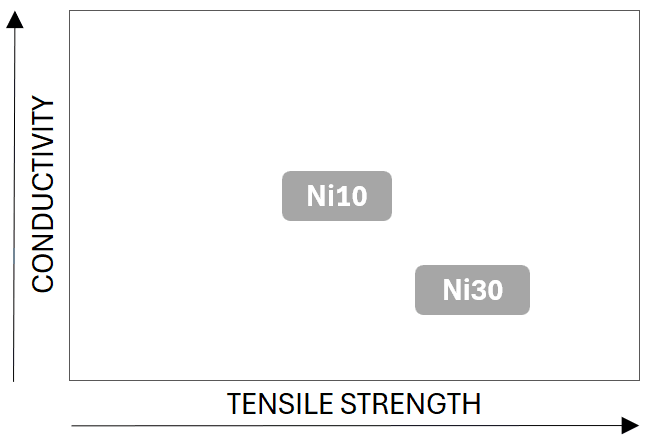
HIGH CORROSION RESISTANCE
COPPER NICKEL ALLOY
WECOBA® Ni10
Components for piping systems and plant engineering, particularly in seawater-carrying installations, such as fittings including flanges, valves, connectors and joint elements
Plates and tube sheets for heat exchangers and condensers, as well as feedwater preheaters (low pressure), freshwater generators, air conditioning systems, process equipment, finned tubes and brake lines
High-quality alternatives for bolts and nuts, particularly as an upgrade where corrosion-related loads exceed the performance limits of nickel aluminium bronzes
Ni | Fe | Mn | Zn | Co | Pb | P | Sn | S | C |
| Cu |
NICKEL | IRON | MANGAN. | ZINC | COBALT | LEAD | PHOSPHOR | TIN | SULFUR | CARBON | OTHERS | COPPER |
10.0 | 1.6 | 0.7 | max. 0.5 | max. 0.1 | max. 0.2 | max. 0.2 | max. 0.3 | max. 0.05 | max. 0.05 | max. 0.2 | balance |
Excellent resistance to corrosion, cavitation and erosion
Very good balance between mechanical load capacity and durability
HIGH CORROSION RESISTANCE
COPPER NICKEL ALLOY
WECOBA® Ni10
Components for piping systems and plant engineering, particularly in seawater-carrying installations, such as fittings including flanges, valves, connectors and joint elements
Plates and tube sheets for heat exchangers and condensers, as well as feedwater preheaters (low pressure), freshwater generators, air conditioning systems, process equipment, finned tubes and brake lines
High-quality alternatives for bolts and nuts, particularly as an upgrade where corrosion-related loads exceed the performance limits of nickel aluminium bronzes
Ni | Fe | Mn | Zn | Co | Pb | P | Sn | S | C |
| Cu |
NICKEL | IRON | MANGAN. | ZINC | COBALT | LEAD | PHOSPHOR | TIN | SULFUR | CARBON | OTHERS | COPPER |
10.0 | 1.6 | 0.7 | max. 0.5 | max. 0.1 | max. 0.2 | max. 0.2 | max. 0.3 | max. 0.05 | max. 0.05 | max. 0.2 | balance |
Excellent resistance to corrosion, cavitation and erosion
Very good balance between mechanical load capacity and durability
HIGH CORROSION RESISTANCE
COPPER NICKEL ALLOY
WECOBA® Ni10
Components for piping systems and plant engineering, particularly in seawater-carrying installations, such as fittings including flanges, valves, connectors and joint elements
Plates and tube sheets for heat exchangers and condensers, as well as feedwater preheaters (low pressure), freshwater generators, air conditioning systems, process equipment, finned tubes and brake lines
High-quality alternatives for bolts and nuts, particularly as an upgrade where corrosion-related loads exceed the performance limits of nickel aluminium bronzes
Ni | Fe | Mn | Zn | Co | Pb | P | Sn | S | C |
| Cu |
NICKEL | IRON | MANGAN. | ZINC | COBALT | LEAD | PHOSPHOR | TIN | SULFUR | CARBON | OTHERS | COPPER |
10.0 | 1.6 | 0.7 | max. 0.5 | max. 0.1 | max. 0.2 | max. 0.2 | max. 0.3 | max. 0.05 | max. 0.05 | max. 0.2 | balance |
Excellent resistance to corrosion, cavitation and erosion
Very good balance between mechanical load capacity and durability
HIGH CORROSION RESISTANCE
COPPER NICKEL ALLOY
WECOBA® Ni30
Components for piping systems and plant engineering, particularly in seawater-carrying installations, such as fittings including flanges, valves, connection and joint elements
Plates and tube sheets for heat exchangers and condensers, as well as feedwater preheaters (low pressure), freshwater generators, air conditioning systems, process equipment, finned tubes and brake lines
High-quality alternatives for bolts and nuts, particularly as an upgrade where corrosion-related loads exceed the performance limits of WECOBA® Ni10
Ni | Fe | Mn | Zn | Co | Pb | P | Sn | S | C |
| Cu |
NICKEL | IRON | MANGAN. | ZINC | COBALT | LEAD | PHOSPHOR | TIN | SULFUR | CARBON | OTHERS | COPPER |
31.0 | 0.6 | 1.0 | max. 0.5 | max. 0.1 | max. 0.2 | max. 0.2 | max. 0.3 | max. 0.3 | max. 0.05 | max. 0.2 | balance |
Excellent resistance to corrosion, cavitation and erosion
Excellent balance between mechanical load capacity and durability
HIGH CORROSION RESISTANCE
COPPER NICKEL ALLOY
WECOBA® Ni30
Components for piping systems and plant engineering, particularly in seawater-carrying installations, such as fittings including flanges, valves, connection and joint elements
Plates and tube sheets for heat exchangers and condensers, as well as feedwater preheaters (low pressure), freshwater generators, air conditioning systems, process equipment, finned tubes and brake lines
High-quality alternatives for bolts and nuts, particularly as an upgrade where corrosion-related loads exceed the performance limits of WECOBA® Ni10
Ni | Fe | Mn | Zn | Co | Pb | P | Sn | S | C |
| Cu |
NICKEL | IRON | MANGAN. | ZINC | COBALT | LEAD | PHOSPHOR | TIN | SULFUR | CARBON | OTHERS | COPPER |
31.0 | 0.6 | 1.0 | max. 0.5 | max. 0.1 | max. 0.2 | max. 0.2 | max. 0.3 | max. 0.3 | max. 0.05 | max. 0.2 | balance |
Excellent resistance to corrosion, cavitation and erosion
Excellent balance between mechanical load capacity and durability
HIGH CORROSION RESISTANCE
COPPER NICKEL ALLOY
WECOBA® Ni30
Components for piping systems and plant engineering, particularly in seawater-carrying installations, such as fittings including flanges, valves, connection and joint elements
Plates and tube sheets for heat exchangers and condensers, as well as feedwater preheaters (low pressure), freshwater generators, air conditioning systems, process equipment, finned tubes and brake lines
High-quality alternatives for bolts and nuts, particularly as an upgrade where corrosion-related loads exceed the performance limits of WECOBA® Ni10
Ni | Fe | Mn | Zn | Co | Pb | P | Sn | S | C |
| Cu |
NICKEL | IRON | MANGAN. | ZINC | COBALT | LEAD | PHOSPHOR | TIN | SULFUR | CARBON | OTHERS | COPPER |
31.0 | 0.6 | 1.0 | max. 0.5 | max. 0.1 | max. 0.2 | max. 0.2 | max. 0.3 | max. 0.3 | max. 0.05 | max. 0.2 | balance |
Excellent resistance to corrosion, cavitation and erosion
Excellent balance between mechanical load capacity and durability
Our Material
Expertise
Our Material
Expertise
Our Material
Expertise
STANDARD ALLOYS
EN | DIN | UNS
We work with high-performance metals engineered for extreme conditions:
High Conductivity Copper Alloys
Low-alloyed copper materials are engineered to combine the excellent electrical and thermal conductivity of copper with improved mechanical strength, resistance to softening, and enhanced structural stability. This is achieved through the addition of small amounts of alloying elements such as chromium, zirconium, cobalt, or beryllium. Compared to pure copper, these alloys offer better performance under mechanical and thermal load while maintaining high functional conductivity, making them suitable for demanding industrial environments.
Key Features:
• High electrical and thermal conductivity
Improved hardness and mechanical strength compared to pure copper
Increased resistance to softening at elevated temperatures
Good wear resistance under moderate mechanical load
Stable dimensional behavior under cyclic thermal stress
Good machinability and formability depending on alloy system
Typical Applications:
• Resistance welding processes
Electrical and thermal contact applications
Tooling for thermally loaded processes
Heat transfer components
Continuous casting and melting equipment
High-current conductive systems
Typical components:
• Welding electrodes and electrode holders
Electrical contacts and current-carrying parts
Cooling plates and heat sinks
Plungers and casting components
Inserts for thermally loaded tooling
Busbars and connectors
Most Common Alloys:
• CuCr1Zr
CuCo2Be
CuCo1Ni1Be
CuNi2Si
CuBe2
Standards
• EN: EN 12420, EN 12163, EN 12164, EN 12165
UNS: C18150, C18200, C18400, C17510, C70250
DIN: DIN 17666, DIN EN standards replacing legacy DIN grades
The information provided is for general informational purposes only and does not constitute a binding specification, guarantee, or warranty. All data represent typical values and may vary depending on production, processing, and operating conditions. Material selection and application remain the responsibility of the user. No liability is assumed for results obtained from the use of this information. Availability is subject to change without notice.
High Conductivity Copper Alloys
Low-alloyed copper materials are engineered to combine the excellent electrical and thermal conductivity of copper with improved mechanical strength, resistance to softening, and enhanced structural stability. This is achieved through the addition of small amounts of alloying elements such as chromium, zirconium, cobalt, or beryllium. Compared to pure copper, these alloys offer better performance under mechanical and thermal load while maintaining high functional conductivity, making them suitable for demanding industrial environments.
Key Features:
• High electrical and thermal conductivity
Improved hardness and mechanical strength compared to pure copper
Increased resistance to softening at elevated temperatures
Good wear resistance under moderate mechanical load
Stable dimensional behavior under cyclic thermal stress
Good machinability and formability depending on alloy system
Typical Applications:
• Resistance welding processes
Electrical and thermal contact applications
Tooling for thermally loaded processes
Heat transfer components
Continuous casting and melting equipment
High-current conductive systems
Typical components:
• Welding electrodes and electrode holders
Electrical contacts and current-carrying parts
Cooling plates and heat sinks
Plungers and casting components
Inserts for thermally loaded tooling
Busbars and connectors
Most Common Alloys:
• CuCr1Zr
CuCo2Be
CuCo1Ni1Be
CuNi2Si
CuBe2
Standards
• EN: EN 12420, EN 12163, EN 12164, EN 12165
UNS: C18150, C18200, C18400, C17510, C70250
DIN: DIN 17666, DIN EN standards replacing legacy DIN grades
The information provided is for general informational purposes only and does not constitute a binding specification, guarantee, or warranty. All data represent typical values and may vary depending on production, processing, and operating conditions. Material selection and application remain the responsibility of the user. No liability is assumed for results obtained from the use of this information. Availability is subject to change without notice.
High Conductivity Copper Alloys
Low-alloyed copper materials are engineered to combine the excellent electrical and thermal conductivity of copper with improved mechanical strength, resistance to softening, and enhanced structural stability. This is achieved through the addition of small amounts of alloying elements such as chromium, zirconium, cobalt, or beryllium. Compared to pure copper, these alloys offer better performance under mechanical and thermal load while maintaining high functional conductivity, making them suitable for demanding industrial environments.
Key Features:
• High electrical and thermal conductivity
Improved hardness and mechanical strength compared to pure copper
Increased resistance to softening at elevated temperatures
Good wear resistance under moderate mechanical load
Stable dimensional behavior under cyclic thermal stress
Good machinability and formability depending on alloy system
Typical Applications:
• Resistance welding processes
Electrical and thermal contact applications
Tooling for thermally loaded processes
Heat transfer components
Continuous casting and melting equipment
High-current conductive systems
Typical components:
• Welding electrodes and electrode holders
Electrical contacts and current-carrying parts
Cooling plates and heat sinks
Plungers and casting components
Inserts for thermally loaded tooling
Busbars and connectors
Most Common Alloys:
• CuCr1Zr
CuCo2Be
CuCo1Ni1Be
CuNi2Si
CuBe2
Standards
• EN: EN 12420, EN 12163, EN 12164, EN 12165
UNS: C18150, C18200, C18400, C17510, C70250
DIN: DIN 17666, DIN EN standards replacing legacy DIN grades
The information provided is for general informational purposes only and does not constitute a binding specification, guarantee, or warranty. All data represent typical values and may vary depending on production, processing, and operating conditions. Material selection and application remain the responsibility of the user. No liability is assumed for results obtained from the use of this information. Availability is subject to change without notice.
Aluminium Bronze
Aluminium bronzes are a family of high-performance copper-based alloys characterized by the addition of aluminium as the primary alloying element. This alloy system provides an exceptional combination of high mechanical strength, excellent wear resistance, and outstanding corrosion resistance, particularly in aggressive environments. Aluminium bronzes are widely used in industrial applications where components are exposed to high loads, friction, corrosive media, or elevated temperatures. Due to their stable microstructure and strong resistance to oxidation and chemical attack, aluminium bronzes are especially suited for demanding applications in heavy industry, steel production, marine environments, and mechanical engineering.
Key Features:
• High mechanical strength and load-bearing capacity
Excellent resistance to abrasive and adhesive wear
Very good corrosion resistance, including in humid and aggressive environments
Good resistance to oxidation at elevated temperatures
Favorable sliding and tribological properties
Good fatigue strength under cyclic loading
Suitable for casting and machining applications
Typical Applications:
• Heavy industry and steel production equipment
Mining and materials handling systems
Marine and offshore applications
Chemical and process engineering
Power generation and energy systems
Metal forming and mechanical drives
Typical components:
• Wear parts and sacrificial components
Sliding plates and guide elements
Heavily loaded bearings and bushings
Gears and worm wheels
Housings and structural components
Valve components and pump parts
Most Common Alloys:
• CW307G
CW308G
CC333G
CC334G
Standards
• EN: EN 1982 (cast aluminium bronzes), EN 12163 / EN 12165 (wrought aluminium bronzes)
UNS: C95400, C95500, C95800 (equivalent alloy families depending on composition)
DIN: DIN EN 1982, legacy DIN aluminium bronze grades replaced by EN standards
The information provided is for general informational purposes only and does not constitute a binding specification, guarantee, or warranty. All data represent typical values and may vary depending on production, processing, and operating conditions. Material selection and application remain the responsibility of the user. No liability is assumed for results obtained from the use of this information. Availability is subject to change without notice.
Aluminium Bronze
Aluminium bronzes are a family of high-performance copper-based alloys characterized by the addition of aluminium as the primary alloying element. This alloy system provides an exceptional combination of high mechanical strength, excellent wear resistance, and outstanding corrosion resistance, particularly in aggressive environments. Aluminium bronzes are widely used in industrial applications where components are exposed to high loads, friction, corrosive media, or elevated temperatures. Due to their stable microstructure and strong resistance to oxidation and chemical attack, aluminium bronzes are especially suited for demanding applications in heavy industry, steel production, marine environments, and mechanical engineering.
Key Features:
• High mechanical strength and load-bearing capacity
Excellent resistance to abrasive and adhesive wear
Very good corrosion resistance, including in humid and aggressive environments
Good resistance to oxidation at elevated temperatures
Favorable sliding and tribological properties
Good fatigue strength under cyclic loading
Suitable for casting and machining applications
Typical Applications:
• Heavy industry and steel production equipment
Mining and materials handling systems
Marine and offshore applications
Chemical and process engineering
Power generation and energy systems
Metal forming and mechanical drives
Typical components:
• Wear parts and sacrificial components
Sliding plates and guide elements
Heavily loaded bearings and bushings
Gears and worm wheels
Housings and structural components
Valve components and pump parts
Most Common Alloys:
• CW307G
CW308G
CC333G
CC334G
Standards
• EN: EN 1982 (cast aluminium bronzes), EN 12163 / EN 12165 (wrought aluminium bronzes)
UNS: C95400, C95500, C95800 (equivalent alloy families depending on composition)
DIN: DIN EN 1982, legacy DIN aluminium bronze grades replaced by EN standards
The information provided is for general informational purposes only and does not constitute a binding specification, guarantee, or warranty. All data represent typical values and may vary depending on production, processing, and operating conditions. Material selection and application remain the responsibility of the user. No liability is assumed for results obtained from the use of this information. Availability is subject to change without notice.
Aluminium Bronze
Aluminium bronzes are a family of high-performance copper-based alloys characterized by the addition of aluminium as the primary alloying element. This alloy system provides an exceptional combination of high mechanical strength, excellent wear resistance, and outstanding corrosion resistance, particularly in aggressive environments. Aluminium bronzes are widely used in industrial applications where components are exposed to high loads, friction, corrosive media, or elevated temperatures. Due to their stable microstructure and strong resistance to oxidation and chemical attack, aluminium bronzes are especially suited for demanding applications in heavy industry, steel production, marine environments, and mechanical engineering.
Key Features:
• High mechanical strength and load-bearing capacity
Excellent resistance to abrasive and adhesive wear
Very good corrosion resistance, including in humid and aggressive environments
Good resistance to oxidation at elevated temperatures
Favorable sliding and tribological properties
Good fatigue strength under cyclic loading
Suitable for casting and machining applications
Typical Applications:
• Heavy industry and steel production equipment
Mining and materials handling systems
Marine and offshore applications
Chemical and process engineering
Power generation and energy systems
Metal forming and mechanical drives
Typical components:
• Wear parts and sacrificial components
Sliding plates and guide elements
Heavily loaded bearings and bushings
Gears and worm wheels
Housings and structural components
Valve components and pump parts
Most Common Alloys:
• CW307G
CW308G
CC333G
CC334G
Standards
• EN: EN 1982 (cast aluminium bronzes), EN 12163 / EN 12165 (wrought aluminium bronzes)
UNS: C95400, C95500, C95800 (equivalent alloy families depending on composition)
DIN: DIN EN 1982, legacy DIN aluminium bronze grades replaced by EN standards
The information provided is for general informational purposes only and does not constitute a binding specification, guarantee, or warranty. All data represent typical values and may vary depending on production, processing, and operating conditions. Material selection and application remain the responsibility of the user. No liability is assumed for results obtained from the use of this information. Availability is subject to change without notice.
Copper-Nickel-Alloys
Copper-nickel alloys are a group of copper-based materials in which nickel is the primary alloying element. This alloy system is known for its excellent resistance to corrosion, particularly in marine, humid, and chemically aggressive environments, while maintaining good mechanical strength and stable thermal properties. Copper-nickel alloys are widely used in applications where long-term reliability, dimensional stability, and resistance to environmental degradation are essential. Grades such as CW352H and CW354H are specifically designed to provide enhanced corrosion resistance combined with good formability and machinability, making them suitable for both structural and functional components in demanding industrial environments.
Key Features:
• Excellent resistance to corrosion in humid, marine, and aggressive environments
High resistance to stress corrosion cracking
Good mechanical strength and structural stability
Stable properties over a wide temperature range
Good fatigue resistance under cyclic loading
Favorable behavior in contact with seawater and process fluids
Good machinability and formability depending on alloy composition
Typical Applications:
• Marine and offshore equipment
Chemical and process engineering
Heat exchangers and cooling systems
Energy and power generation
Industrial piping and fluid handling systems
Components exposed to corrosive atmospheres
Typical components:
• Pipes and tubes
Heat exchanger plates and shells
Condenser and cooling components
Valve bodies and fittings
Structural and connecting elements
Machined components for corrosive environments
Most Common Alloys:
• CW352H
CW354H
Standards
• EN: EN 12163, EN 12164, EN 12165 (wrought copper-nickel alloys)
UNS: C70600, C71500 (comparable copper-nickel alloy families depending on nickel content)
DIN: DIN EN standards replacing legacy DIN copper-nickel grades
The information provided is for general informational purposes only and does not constitute a binding specification, guarantee, or warranty. All data represent typical values and may vary depending on production, processing, and operating conditions. Material selection and application remain the responsibility of the user. No liability is assumed for results obtained from the use of this information. Availability is subject to change without notice.

Copper-Nickel-Alloys
Copper-nickel alloys are a group of copper-based materials in which nickel is the primary alloying element. This alloy system is known for its excellent resistance to corrosion, particularly in marine, humid, and chemically aggressive environments, while maintaining good mechanical strength and stable thermal properties. Copper-nickel alloys are widely used in applications where long-term reliability, dimensional stability, and resistance to environmental degradation are essential. Grades such as CW352H and CW354H are specifically designed to provide enhanced corrosion resistance combined with good formability and machinability, making them suitable for both structural and functional components in demanding industrial environments.
Key Features:
• Excellent resistance to corrosion in humid, marine, and aggressive environments
High resistance to stress corrosion cracking
Good mechanical strength and structural stability
Stable properties over a wide temperature range
Good fatigue resistance under cyclic loading
Favorable behavior in contact with seawater and process fluids
Good machinability and formability depending on alloy composition
Typical Applications:
• Marine and offshore equipment
Chemical and process engineering
Heat exchangers and cooling systems
Energy and power generation
Industrial piping and fluid handling systems
Components exposed to corrosive atmospheres
Typical components:
• Pipes and tubes
Heat exchanger plates and shells
Condenser and cooling components
Valve bodies and fittings
Structural and connecting elements
Machined components for corrosive environments
Most Common Alloys:
• CW352H
CW354H
Standards
• EN: EN 12163, EN 12164, EN 12165 (wrought copper-nickel alloys)
UNS: C70600, C71500 (comparable copper-nickel alloy families depending on nickel content)
DIN: DIN EN standards replacing legacy DIN copper-nickel grades
The information provided is for general informational purposes only and does not constitute a binding specification, guarantee, or warranty. All data represent typical values and may vary depending on production, processing, and operating conditions. Material selection and application remain the responsibility of the user. No liability is assumed for results obtained from the use of this information. Availability is subject to change without notice.
Copper-Nickel-Alloys
Copper-nickel alloys are a group of copper-based materials in which nickel is the primary alloying element. This alloy system is known for its excellent resistance to corrosion, particularly in marine, humid, and chemically aggressive environments, while maintaining good mechanical strength and stable thermal properties. Copper-nickel alloys are widely used in applications where long-term reliability, dimensional stability, and resistance to environmental degradation are essential. Grades such as CW352H and CW354H are specifically designed to provide enhanced corrosion resistance combined with good formability and machinability, making them suitable for both structural and functional components in demanding industrial environments.
Key Features:
• Excellent resistance to corrosion in humid, marine, and aggressive environments
High resistance to stress corrosion cracking
Good mechanical strength and structural stability
Stable properties over a wide temperature range
Good fatigue resistance under cyclic loading
Favorable behavior in contact with seawater and process fluids
Good machinability and formability depending on alloy composition
Typical Applications:
• Marine and offshore equipment
Chemical and process engineering
Heat exchangers and cooling systems
Energy and power generation
Industrial piping and fluid handling systems
Components exposed to corrosive atmospheres
Typical components:
• Pipes and tubes
Heat exchanger plates and shells
Condenser and cooling components
Valve bodies and fittings
Structural and connecting elements
Machined components for corrosive environments
Most Common Alloys:
• CW352H
CW354H
Standards
• EN: EN 12163, EN 12164, EN 12165 (wrought copper-nickel alloys)
UNS: C70600, C71500 (comparable copper-nickel alloy families depending on nickel content)
DIN: DIN EN standards replacing legacy DIN copper-nickel grades
The information provided is for general informational purposes only and does not constitute a binding specification, guarantee, or warranty. All data represent typical values and may vary depending on production, processing, and operating conditions. Material selection and application remain the responsibility of the user. No liability is assumed for results obtained from the use of this information. Availability is subject to change without notice.
Bronze
Bronze materials are copper-based alloys in which tin is the primary alloying element, often complemented by additional alloying elements to tailor tribological and mechanical properties. They are widely used in industrial applications where wear resistance, load-bearing capability, and controlled sliding behavior are required. Cast tin bronzes such as CuSn7Zn4Pb7-C (CC493K) and CuSn12-C (CC483K) are well-established materials for components exposed to friction, surface pressure, and cyclic mechanical loads. Their different alloy compositions allow targeted material selection depending on lubrication conditions, load levels, and service requirements.
Key Features:
• Good to excellent wear resistance under sliding contact
Favorable tribological behavior, particularly in bearing applications
Good load-bearing capacity under static and dynamic loads
Stable mechanical properties over long service periods
Good damping characteristics for vibration reduction
Good corrosion resistance in atmospheric and mildly aggressive environments
Suitable for casting and precision machining
Typical Applications:
• Mechanical and plant engineering
Heavy machinery and industrial equipment
Bearing and sliding systems
Power transmission and drive technology
Pumps, compressors, and gear units
Maintenance and replacement parts in industrial plants
Typical components:
• Bearings and bushings
Sliding and guiding elements
Thrust washers and bearing shells
Gears and worm wheels
Wear plates and contact elements
Housings and structural bronze components
Most Common Alloys:
• CuSn7Zn4Pb7-C (CC493K)
CuSn12-C (CC483K)
Standards
• EN: EN 1982 (CC493K, CC483K)
UNS: C93200 (comparable leaded tin bronze family), C90700 / C91700 (comparable high-tin bronze families)
DIN: DIN EN 1982, legacy DIN bronze grades replaced by EN standards
The information provided is for general informational purposes only and does not constitute a binding specification, guarantee, or warranty. All data represent typical values and may vary depending on production, processing, and operating conditions. Material selection and application remain the responsibility of the user. No liability is assumed for results obtained from the use of this information. Availability is subject to change without notice.

Bronze
Bronze materials are copper-based alloys in which tin is the primary alloying element, often complemented by additional alloying elements to tailor tribological and mechanical properties. They are widely used in industrial applications where wear resistance, load-bearing capability, and controlled sliding behavior are required. Cast tin bronzes such as CuSn7Zn4Pb7-C (CC493K) and CuSn12-C (CC483K) are well-established materials for components exposed to friction, surface pressure, and cyclic mechanical loads. Their different alloy compositions allow targeted material selection depending on lubrication conditions, load levels, and service requirements.
Key Features:
• Good to excellent wear resistance under sliding contact
Favorable tribological behavior, particularly in bearing applications
Good load-bearing capacity under static and dynamic loads
Stable mechanical properties over long service periods
Good damping characteristics for vibration reduction
Good corrosion resistance in atmospheric and mildly aggressive environments
Suitable for casting and precision machining
Typical Applications:
• Mechanical and plant engineering
Heavy machinery and industrial equipment
Bearing and sliding systems
Power transmission and drive technology
Pumps, compressors, and gear units
Maintenance and replacement parts in industrial plants
Typical components:
• Bearings and bushings
Sliding and guiding elements
Thrust washers and bearing shells
Gears and worm wheels
Wear plates and contact elements
Housings and structural bronze components
Most Common Alloys:
• CuSn7Zn4Pb7-C (CC493K)
CuSn12-C (CC483K)
Standards
• EN: EN 1982 (CC493K, CC483K)
UNS: C93200 (comparable leaded tin bronze family), C90700 / C91700 (comparable high-tin bronze families)
DIN: DIN EN 1982, legacy DIN bronze grades replaced by EN standards
The information provided is for general informational purposes only and does not constitute a binding specification, guarantee, or warranty. All data represent typical values and may vary depending on production, processing, and operating conditions. Material selection and application remain the responsibility of the user. No liability is assumed for results obtained from the use of this information. Availability is subject to change without notice.
Bronze
Bronze materials are copper-based alloys in which tin is the primary alloying element, often complemented by additional alloying elements to tailor tribological and mechanical properties. They are widely used in industrial applications where wear resistance, load-bearing capability, and controlled sliding behavior are required. Cast tin bronzes such as CuSn7Zn4Pb7-C (CC493K) and CuSn12-C (CC483K) are well-established materials for components exposed to friction, surface pressure, and cyclic mechanical loads. Their different alloy compositions allow targeted material selection depending on lubrication conditions, load levels, and service requirements.
Key Features:
• Good to excellent wear resistance under sliding contact
Favorable tribological behavior, particularly in bearing applications
Good load-bearing capacity under static and dynamic loads
Stable mechanical properties over long service periods
Good damping characteristics for vibration reduction
Good corrosion resistance in atmospheric and mildly aggressive environments
Suitable for casting and precision machining
Typical Applications:
• Mechanical and plant engineering
Heavy machinery and industrial equipment
Bearing and sliding systems
Power transmission and drive technology
Pumps, compressors, and gear units
Maintenance and replacement parts in industrial plants
Typical components:
• Bearings and bushings
Sliding and guiding elements
Thrust washers and bearing shells
Gears and worm wheels
Wear plates and contact elements
Housings and structural bronze components
Most Common Alloys:
• CuSn7Zn4Pb7-C (CC493K)
CuSn12-C (CC483K)
Standards
• EN: EN 1982 (CC493K, CC483K)
UNS: C93200 (comparable leaded tin bronze family), C90700 / C91700 (comparable high-tin bronze families)
DIN: DIN EN 1982, legacy DIN bronze grades replaced by EN standards
The information provided is for general informational purposes only and does not constitute a binding specification, guarantee, or warranty. All data represent typical values and may vary depending on production, processing, and operating conditions. Material selection and application remain the responsibility of the user. No liability is assumed for results obtained from the use of this information. Availability is subject to change without notice.
Brass & Special Brass
Brass and special brass alloys are copper-zinc–based materials engineered to provide a versatile combination of mechanical strength, machinability, corrosion resistance, and cost efficiency. By adjusting zinc content and adding alloying elements such as lead, silicon, manganese, aluminium, iron, or arsenic, these materials can be tailored to specific functional and manufacturing requirements. Standard brasses are widely used for general mechanical and machining applications, while special brasses are developed for enhanced strength, improved wear resistance, better corrosion behavior, or optimized machinability in more demanding environments. This makes brass alloys suitable for a broad range of industrial sectors, from mechanical engineering and automotive to fluid handling and electrical applications.
Key Features:
• Good to excellent machinability, particularly in leaded grades
Balanced mechanical strength and ductility
Good corrosion resistance in atmospheric and mildly aggressive environments
Favorable wear and sliding behavior depending on alloy composition
Good formability and suitability for complex geometries
Cost-effective material solution for large-scale production
Wide range of alloy variants for application-specific optimization
Typical Applications:
• Mechanical and general engineering
Automotive and automotive supply industry
Fluid handling and plumbing systems
Electrical and electronic components
Valve and fitting production
Precision-machined parts and series components
Typical components:
• Bushings and bearing elements
Valves, fittings, and connectors
Screw nuts, threaded components, and fasteners
Gears and small transmission components
Housings and structural machine parts
Precision-machined components made to drawing
Most Common Alloys:
• CuZn42
CuZn39Pb3
CuZn37Mn3Al2PbSi
CuZn25Al5Mn4Fe3-C
Standards
• EN: EN 12163, EN 12164, EN 12165 (wrought brass and special brass alloys)
UNS: C28000, C36000, C69300, C38500, C67300 (comparable alloy families depending on composition)
DIN: DIN EN standards replacing legacy DIN brass grades
The information provided is for general informational purposes only and does not constitute a binding specification, guarantee, or warranty. All data represent typical values and may vary depending on production, processing, and operating conditions. Material selection and application remain the responsibility of the user. No liability is assumed for results obtained from the use of this information. Availability is subject to change without notice.
Brass & Special Brass
Brass and special brass alloys are copper-zinc–based materials engineered to provide a versatile combination of mechanical strength, machinability, corrosion resistance, and cost efficiency. By adjusting zinc content and adding alloying elements such as lead, silicon, manganese, aluminium, iron, or arsenic, these materials can be tailored to specific functional and manufacturing requirements. Standard brasses are widely used for general mechanical and machining applications, while special brasses are developed for enhanced strength, improved wear resistance, better corrosion behavior, or optimized machinability in more demanding environments. This makes brass alloys suitable for a broad range of industrial sectors, from mechanical engineering and automotive to fluid handling and electrical applications.
Key Features:
• Good to excellent machinability, particularly in leaded grades
Balanced mechanical strength and ductility
Good corrosion resistance in atmospheric and mildly aggressive environments
Favorable wear and sliding behavior depending on alloy composition
Good formability and suitability for complex geometries
Cost-effective material solution for large-scale production
Wide range of alloy variants for application-specific optimization
Typical Applications:
• Mechanical and general engineering
Automotive and automotive supply industry
Fluid handling and plumbing systems
Electrical and electronic components
Valve and fitting production
Precision-machined parts and series components
Typical components:
• Bushings and bearing elements
Valves, fittings, and connectors
Screw nuts, threaded components, and fasteners
Gears and small transmission components
Housings and structural machine parts
Precision-machined components made to drawing
Most Common Alloys:
• CuZn42
CuZn39Pb3
CuZn37Mn3Al2PbSi
CuZn25Al5Mn4Fe3-C
Standards
• EN: EN 12163, EN 12164, EN 12165 (wrought brass and special brass alloys)
UNS: C28000, C36000, C69300, C38500, C67300 (comparable alloy families depending on composition)
DIN: DIN EN standards replacing legacy DIN brass grades
The information provided is for general informational purposes only and does not constitute a binding specification, guarantee, or warranty. All data represent typical values and may vary depending on production, processing, and operating conditions. Material selection and application remain the responsibility of the user. No liability is assumed for results obtained from the use of this information. Availability is subject to change without notice.
Brass & Special Brass
Brass and special brass alloys are copper-zinc–based materials engineered to provide a versatile combination of mechanical strength, machinability, corrosion resistance, and cost efficiency. By adjusting zinc content and adding alloying elements such as lead, silicon, manganese, aluminium, iron, or arsenic, these materials can be tailored to specific functional and manufacturing requirements. Standard brasses are widely used for general mechanical and machining applications, while special brasses are developed for enhanced strength, improved wear resistance, better corrosion behavior, or optimized machinability in more demanding environments. This makes brass alloys suitable for a broad range of industrial sectors, from mechanical engineering and automotive to fluid handling and electrical applications.
Key Features:
• Good to excellent machinability, particularly in leaded grades
Balanced mechanical strength and ductility
Good corrosion resistance in atmospheric and mildly aggressive environments
Favorable wear and sliding behavior depending on alloy composition
Good formability and suitability for complex geometries
Cost-effective material solution for large-scale production
Wide range of alloy variants for application-specific optimization
Typical Applications:
• Mechanical and general engineering
Automotive and automotive supply industry
Fluid handling and plumbing systems
Electrical and electronic components
Valve and fitting production
Precision-machined parts and series components
Typical components:
• Bushings and bearing elements
Valves, fittings, and connectors
Screw nuts, threaded components, and fasteners
Gears and small transmission components
Housings and structural machine parts
Precision-machined components made to drawing
Most Common Alloys:
• CuZn42
CuZn39Pb3
CuZn37Mn3Al2PbSi
CuZn25Al5Mn4Fe3-C
Standards
• EN: EN 12163, EN 12164, EN 12165 (wrought brass and special brass alloys)
UNS: C28000, C36000, C69300, C38500, C67300 (comparable alloy families depending on composition)
DIN: DIN EN standards replacing legacy DIN brass grades
The information provided is for general informational purposes only and does not constitute a binding specification, guarantee, or warranty. All data represent typical values and may vary depending on production, processing, and operating conditions. Material selection and application remain the responsibility of the user. No liability is assumed for results obtained from the use of this information. Availability is subject to change without notice.
Materials
Engineered for
Performance
WECOBA METAL partners with industry leaders to deliver custom-engineered solutions that set new benchmarks for innovation. Whether for aerospace, defense, medical, or industrial applications, our expertise in advanced materials drives the future of manufacturing.
Want to explore how WECOBA METAL materials can elevate your next project?