Industries

We provide industry-specific application solutions designed to enhance performance, durability, and efficiency. With a deep understanding of sector-specific challenges, we engineer high-precision components that meet the most stringent operational requirements, ensuring reliability in even the most demanding environments.
Resistance Welding

Resistance Welding Industries

Resistance Welding Applications

Resistance welding is a joining method in which heat is generated at the interface of workpieces by electrical resistance while mechanical force is applied through copper electrodes. The electrode material plays a critical role: it must conduct high currents efficiently, dissipate heat effectively and maintain mechanical integrity under repeated thermal and mechanical loads. Consumable components made from WECOBA copper alloys are engineered to retain their functional properties over extended operating periods. Improved resistance to softening, wear, and deformation helps maintain stable contact conditions, enabling consistent energy input and reproducible weld quality. For end users, this translates into a more robust process with fewer interruptions and predictable performance.

Wire Mesh Welding

Wire mesh welding is used to join intersecting wires into grids or meshes for construction, reinforcement, fencing, and industrial applications. The process is characterized by extremely high cycle counts and continuous mechanical contact between electrode and wire.

In such environments, electrode wear quickly leads to inconsistent welds and dimensional deviations. WECOBA copper alloys offer enhanced resistance to abrasive wear and surface degradation, allowing electrodes to maintain their geometry and contact quality over long production runs. This stability results in uniform weld nuggets across large mesh areas, reduced scrap rates, and extended maintenance intervals, improving overall line efficiency.

Spot Welding

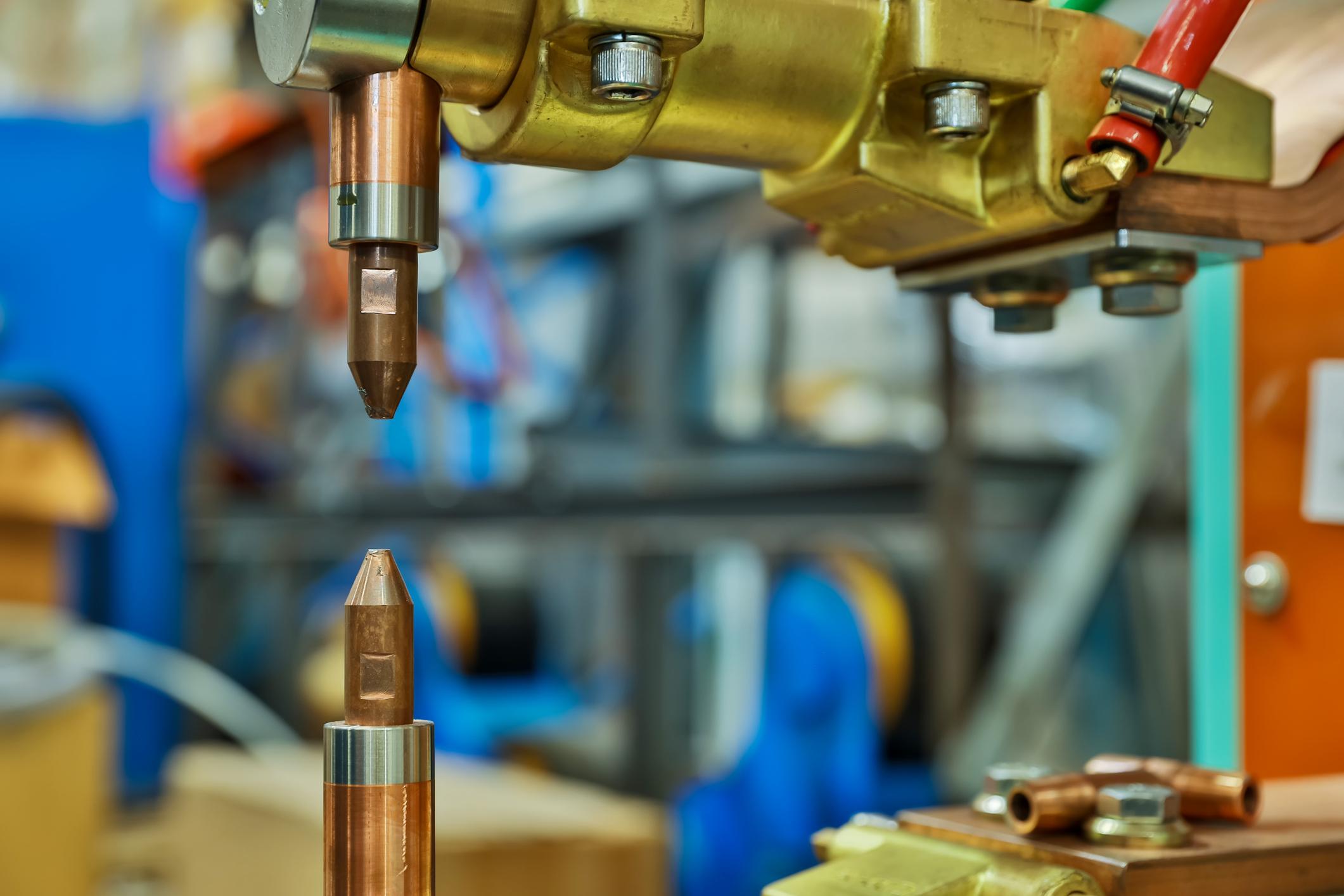
Spot welding is one of the most widely used resistance welding processes, particularly in sheet metal fabrication, automotive manufacturing, and appliance production. Weld quality depends heavily on the condition of the electrode tips, which are exposed to high temperatures, pressure, and reactive surface coatings.

WECOBA copper alloys are designed to resist thermal softening and mechanical deformation, helping electrode tips retain their shape and functional surface for longer periods. This reduces common issues such as sticking, excessive tip growth, and unstable current transfer. The result is consistent weld strength, fewer corrective interventions, and more predictable production quality.

Seam Welding

Seam welding creates continuous, leak-tight joints using rotating electrode wheels. Typical applications include containers, tanks, pipes, and sealed housings.

The rotating electrodes must combine precise geometry with stable electrical and thermal performance. WECOBA alloys provide the mechanical strength and thermal stability required to minimize wear and distortion of the welding wheels. Consistent electrode geometry supports uniform pressure and current distribution along the seam, resulting in stable weld penetration and reliable seam integrity throughout extended production cycles.

Butt Welding

Butt welding joins components end-to-end by applying electrical current and axial force simultaneously. It is commonly used for wires, rods, tubes, and profiles.

This process subjects electrodes and contact faces to high compressive loads and intense thermal stress. WECOBA copper alloys provide enhanced resistance to plastic deformation under pressure, ensuring stable electrical contact and controlled heat generation at the joint. Improved durability of the welding components contributes to repeatable joint quality and reduces unplanned downtime caused by premature wear.

Projection Welding

Projection welding uses pre-formed projections on one of the workpieces to localize heat generation. It is widely applied for welding fasteners, nuts, studs, and complex stamped parts.

Process reliability depends on precise current concentration and stable electrode surfaces. WECOBA copper alloys help maintain defined contact conditions, ensuring consistent projection collapse and uniform weld formation. Reduced electrode wear improves process stability, particularly in automated and high-volume production, where repeatability is critical.

APPLICABLE ALLOYS:
WECOBA® Z
WECOBA® S
WECOBA® D
WECOBA® B

Resistance Welding

Resistance Welding Industries

Resistance Welding Applications

Resistance welding is a joining method in which heat is generated at the interface of workpieces by electrical resistance while mechanical force is applied through copper electrodes. The electrode material plays a critical role: it must conduct high currents efficiently, dissipate heat effectively and maintain mechanical integrity under repeated thermal and mechanical loads. Consumable components made from WECOBA copper alloys are engineered to retain their functional properties over extended operating periods. Improved resistance to softening, wear, and deformation helps maintain stable contact conditions, enabling consistent energy input and reproducible weld quality. For end users, this translates into a more robust process with fewer interruptions and predictable performance.

Wire Mesh Welding

Wire mesh welding is used to join intersecting wires into grids or meshes for construction, reinforcement, fencing, and industrial applications. The process is characterized by extremely high cycle counts and continuous mechanical contact between electrode and wire.

In such environments, electrode wear quickly leads to inconsistent welds and dimensional deviations. WECOBA copper alloys offer enhanced resistance to abrasive wear and surface degradation, allowing electrodes to maintain their geometry and contact quality over long production runs. This stability results in uniform weld nuggets across large mesh areas, reduced scrap rates, and extended maintenance intervals, improving overall line efficiency.

Spot Welding

Spot welding is one of the most widely used resistance welding processes, particularly in sheet metal fabrication, automotive manufacturing, and appliance production. Weld quality depends heavily on the condition of the electrode tips, which are exposed to high temperatures, pressure, and reactive surface coatings.

WECOBA copper alloys are designed to resist thermal softening and mechanical deformation, helping electrode tips retain their shape and functional surface for longer periods. This reduces common issues such as sticking, excessive tip growth, and unstable current transfer. The result is consistent weld strength, fewer corrective interventions, and more predictable production quality.

Seam Welding

Seam welding creates continuous, leak-tight joints using rotating electrode wheels. Typical applications include containers, tanks, pipes, and sealed housings.

The rotating electrodes must combine precise geometry with stable electrical and thermal performance. WECOBA alloys provide the mechanical strength and thermal stability required to minimize wear and distortion of the welding wheels. Consistent electrode geometry supports uniform pressure and current distribution along the seam, resulting in stable weld penetration and reliable seam integrity throughout extended production cycles.

Butt Welding

Butt welding joins components end-to-end by applying electrical current and axial force simultaneously. It is commonly used for wires, rods, tubes, and profiles.

This process subjects electrodes and contact faces to high compressive loads and intense thermal stress. WECOBA copper alloys provide enhanced resistance to plastic deformation under pressure, ensuring stable electrical contact and controlled heat generation at the joint. Improved durability of the welding components contributes to repeatable joint quality and reduces unplanned downtime caused by premature wear.

Projection Welding

Projection welding uses pre-formed projections on one of the workpieces to localize heat generation. It is widely applied for welding fasteners, nuts, studs, and complex stamped parts.

Process reliability depends on precise current concentration and stable electrode surfaces. WECOBA copper alloys help maintain defined contact conditions, ensuring consistent projection collapse and uniform weld formation. Reduced electrode wear improves process stability, particularly in automated and high-volume production, where repeatability is critical.

APPLICABLE ALLOYS:
WECOBA® Z
WECOBA® S
WECOBA® D
WECOBA® B

HIGH CONDUCTIVITY

COPPER ALLOY

WECOBA® Z
  • Electrodes, holders and inserts, Electrode caps

  • Crucibles, moulds and cooling plates for continuous casting (Aluminium and Steel)

  • Current-carrying springs and contacts

Cr

CHROMIUM

Zr

ZIRCONIUM

OTHERS

Cu

COPPER

  1.0

0.1

max. 0.2

balance

  • Excellent electrical conductivity

  • Significantly higher strength and hardness compared to pure copper

  • Combines the advantages of CuCr and CuZr alloys in a single material

  • High thermal stability, even at elevated temperatures

  • Outstanding creep resistance

HIGH CONDUCTIVITY

COPPER ALLOY

WECOBA® S
  • Core inserts for injection moulding tools

  • Plunger tips

  • Electrodes and holders for resistance welding processes

  • Spot welding and seam welding electrodes

  • Various applications for heat dissipation

Ni

NICKEL

Si

SILICON

Cr

CHROMIUM

Cu

COPPER

2.4

0.7

0.4

balance

  • Excellent electrical and thermal conductivity

  • High strength and hardness

  • High thermal stability at elevated temperatures

  • Good corrosion resistance

  • Beryllium- free (alternative to Beryllium Products such as CuCoNiBe…)

HIGH CONDUCTIVITY

COPPER ALLOY WITH BERYLLIUM

WECOBA® D
  • Electrodes and holders for spot, seam, butt and projection welding

  • Hot runner nozzles

  • Plunger tips aluminium die casting

  • Moulds and cooling plates

Co

COBALT

Ni

NICKEL

Be

BERYLLIUM

OTHERS

Cu

COPPER

  1.0

1.0

0.5

max. 0.5

balance

  • Balanced combination of mechanical and physical properties

  • High electrical and thermal conductivity

  • High strength and hardness

  • High thermal stability at elevated temperatures

  • Very high creep resistance

HIGH CONDUCTIVITY

COPPER ALLOY WITH BERYLLIUM

WECOBA® B
  • Highly loaded components for flash butt and projection welding

  • Spark-free and non-magnetic manual tools

  • Mould inserts, cooling plates and cooling pins

Co

COBALT

Ni

NICKEL

Be

BERYLLIUM

Co+Ni+Fe

Cu

COPPER

min. 0.2

1.9

max. 0.6

balance

  • Highest hardness and tensile strength among low-alloy copper materials

  • High electrical and thermal conductivity

  • High thermal stability at elevated temperatures

  • Very high creep resistance

  • Suitable for mould making applications involving abrasive plastics
GENERAL MACHINERY & PLANT ENGINEERING

General Machinery and Plant Engineering Industries

Reliable Materials for Wear-Intensive Mechanical Applications

Mechanical engineering applications operate under continuous motion, load, and friction. Components such as bearings, wear plates, guide elements, and sliding surfaces are permanently exposed to mechanical stress, surface interaction, and often limited lubrication. In these environments, material performance directly determines service life, machine availability, and maintenance intensity. The General Machinery Division focuses on copper- and bronze-based spare and wear parts manufactured from advanced WECOBA alloys. These materials are developed for applications where controlled wear behavior, dimensional stability, and long-term reliability are essential. By prioritizing material quality and consistency, WECOBA solutions support predictable machine operation and reduced total cost of ownership.

Mechanical Engineering – Application Environment

In general machinery, wear is an unavoidable physical process. The objective is not to eliminate wear entirely, but to control it in a predictable and economical way. Typical operating conditions include:

  • Continuous or cyclic mechanical loads

  • Sliding, rolling, or oscillating motion

  • Boundary or mixed lubrication regimes

  • Exposure to contaminants, vibration, and misalignment

WECOBA copper and bronze alloys are engineered to perform reliably under these conditions. Their microstructure and material composition support stable friction behavior and resistance to surface degradation, enabling consistent performance over long service intervals.

Typical Applications in General Machinery

Plain Bearings and Bushings

Plain bearings and bushings are widely used in mechanical systems to support rotating or oscillating shafts. They must carry load, accommodate motion, and operate reliably under varying lubrication conditions.

WECOBA bronze alloys are designed to provide controlled friction characteristics and resistance to adhesive wear. Stable material behavior helps maintain bearing clearances and load distribution over time. This reduces the risk of seizure, excessive vibration, or premature failure, supporting smooth and reliable machine operation.

Sliding and Guide Elements

Guide rails, slideways, and linear guiding components are critical for accurate motion control in machinery and equipment. These parts are subject to continuous sliding contact and localized pressure.

WECOBA copper-based alloys offer a combination of wear resistance and surface conformity, allowing sliding elements to maintain functional geometry while accommodating minor misalignments. Reduced surface degradation supports consistent motion accuracy and minimizes the need for frequent adjustment or replacement.

Wear Plates and Wear Strips

Wear plates and strips are sacrificial components designed to protect structural parts of machines from abrasion, impact, and friction.

WECOBA bronze materials are selected to provide predictable wear behavior, absorbing mechanical stress while protecting adjacent components. Their durability extends replacement intervals and reduces damage to higher-value machine elements. This approach lowers maintenance effort and simplifies spare part management.

Thrust Washers and Load-Bearing Elements

Thrust washers and axial load components are used to absorb forces generated by rotating or reciprocating movement. They must resist surface fatigue while maintaining dimensional stability under load.

WECOBA copper and bronze alloys provide resistance to surface fatigue and plastic deformation. Stable material properties help preserve functional thickness and contact geometry, ensuring reliable force transmission and extended service life.

Wear Parts for Heavy-Duty Machinery

In heavy machinery, such as presses, forming equipment, and industrial handling systems, wear parts are exposed to high loads, shock, and vibration.

WECOBA alloys are engineered to withstand these demanding conditions while maintaining predictable wear characteristics. Improved resistance to surface damage supports longer maintenance intervals and reduces the risk of unplanned equipment downtime.

Bronze as a Functional Wear Material

Bronze alloys play a central role in mechanical engineering due to their favorable tribological properties. WECOBA bronze materials are developed to combine:

  • Controlled friction behavior

  • Resistance to adhesive and abrasive wear

  • Compatibility with steel counterfaces

  • Stability under limited or interrupted lubrication

This combination allows wear to occur in a controlled manner, protecting shafts and structural components while ensuring reliable long-term performance.

Material Quality as a Basis for Predictable Wear

In wear-intensive applications, material consistency is as important as material composition. WECOBA alloys are produced with controlled metallurgical quality to ensure repeatable performance across batches and components.

Key characteristics include:

  • Stable microstructure under mechanical load

  • Resistance to surface tearing and smearing

  • Dimensional stability over extended service life

  • Predictable interaction with mating materials

These properties reduce variability in wear behavior and simplify maintenance planning.

Maintenance Efficiency and Total Cost of Ownership

In mechanical engineering, wear parts are often inexpensive relative to the cost of downtime or machine damage. Uncontrolled wear can lead to secondary failures, misalignment, or damage to high-value components.

By extending service life and stabilizing wear behavior, WECOBA copper- and bronze-based components support lower total cost of ownership. Reduced replacement frequency, simplified maintenance, and protection of adjacent machine elements all contribute to improved operational efficiency.

APPLICABLE ALLOYS
WECOBA® 190
WECOBA® 270
WECOBA® 290
WECOBA® 330
WECOBA® 390
WECOBA® S

GENERAL MACHINERY & PLANT ENGINEERING

General Machinery and Plant Engineering Industries

Reliable Materials for Wear-Intensive Mechanical Applications

Mechanical engineering applications operate under continuous motion, load, and friction. Components such as bearings, wear plates, guide elements, and sliding surfaces are permanently exposed to mechanical stress, surface interaction, and often limited lubrication. In these environments, material performance directly determines service life, machine availability, and maintenance intensity. The General Machinery Division focuses on copper- and bronze-based spare and wear parts manufactured from advanced WECOBA alloys. These materials are developed for applications where controlled wear behavior, dimensional stability, and long-term reliability are essential. By prioritizing material quality and consistency, WECOBA solutions support predictable machine operation and reduced total cost of ownership.

Mechanical Engineering – Application Environment

In general machinery, wear is an unavoidable physical process. The objective is not to eliminate wear entirely, but to control it in a predictable and economical way. Typical operating conditions include:

  • Continuous or cyclic mechanical loads

  • Sliding, rolling, or oscillating motion

  • Boundary or mixed lubrication regimes

  • Exposure to contaminants, vibration, and misalignment

WECOBA copper and bronze alloys are engineered to perform reliably under these conditions. Their microstructure and material composition support stable friction behavior and resistance to surface degradation, enabling consistent performance over long service intervals.

Typical Applications in General Machinery

Plain Bearings and Bushings

Plain bearings and bushings are widely used in mechanical systems to support rotating or oscillating shafts. They must carry load, accommodate motion, and operate reliably under varying lubrication conditions.

WECOBA bronze alloys are designed to provide controlled friction characteristics and resistance to adhesive wear. Stable material behavior helps maintain bearing clearances and load distribution over time. This reduces the risk of seizure, excessive vibration, or premature failure, supporting smooth and reliable machine operation.

Sliding and Guide Elements

Guide rails, slideways, and linear guiding components are critical for accurate motion control in machinery and equipment. These parts are subject to continuous sliding contact and localized pressure.

WECOBA copper-based alloys offer a combination of wear resistance and surface conformity, allowing sliding elements to maintain functional geometry while accommodating minor misalignments. Reduced surface degradation supports consistent motion accuracy and minimizes the need for frequent adjustment or replacement.

Wear Plates and Wear Strips

Wear plates and strips are sacrificial components designed to protect structural parts of machines from abrasion, impact, and friction.

WECOBA bronze materials are selected to provide predictable wear behavior, absorbing mechanical stress while protecting adjacent components. Their durability extends replacement intervals and reduces damage to higher-value machine elements. This approach lowers maintenance effort and simplifies spare part management.

Thrust Washers and Load-Bearing Elements

Thrust washers and axial load components are used to absorb forces generated by rotating or reciprocating movement. They must resist surface fatigue while maintaining dimensional stability under load.

WECOBA copper and bronze alloys provide resistance to surface fatigue and plastic deformation. Stable material properties help preserve functional thickness and contact geometry, ensuring reliable force transmission and extended service life.

Wear Parts for Heavy-Duty Machinery

In heavy machinery, such as presses, forming equipment, and industrial handling systems, wear parts are exposed to high loads, shock, and vibration.

WECOBA alloys are engineered to withstand these demanding conditions while maintaining predictable wear characteristics. Improved resistance to surface damage supports longer maintenance intervals and reduces the risk of unplanned equipment downtime.

Bronze as a Functional Wear Material

Bronze alloys play a central role in mechanical engineering due to their favorable tribological properties. WECOBA bronze materials are developed to combine:

  • Controlled friction behavior

  • Resistance to adhesive and abrasive wear

  • Compatibility with steel counterfaces

  • Stability under limited or interrupted lubrication

This combination allows wear to occur in a controlled manner, protecting shafts and structural components while ensuring reliable long-term performance.

Material Quality as a Basis for Predictable Wear

In wear-intensive applications, material consistency is as important as material composition. WECOBA alloys are produced with controlled metallurgical quality to ensure repeatable performance across batches and components.

Key characteristics include:

  • Stable microstructure under mechanical load

  • Resistance to surface tearing and smearing

  • Dimensional stability over extended service life

  • Predictable interaction with mating materials

These properties reduce variability in wear behavior and simplify maintenance planning.

Maintenance Efficiency and Total Cost of Ownership

In mechanical engineering, wear parts are often inexpensive relative to the cost of downtime or machine damage. Uncontrolled wear can lead to secondary failures, misalignment, or damage to high-value components.

By extending service life and stabilizing wear behavior, WECOBA copper- and bronze-based components support lower total cost of ownership. Reduced replacement frequency, simplified maintenance, and protection of adjacent machine elements all contribute to improved operational efficiency.

APPLICABLE ALLOYS
WECOBA® 190
WECOBA® 270
WECOBA® 290
WECOBA® 330
WECOBA® 390
WECOBA® S

HIGH CONDUCTIVITY

COPPER ALLOY

WECOBA® S
  • Core inserts for injection moulding tools

  • Plunger tips

  • Electrodes and holders for resistance welding processes

  • Spot welding and seam welding electrodes

  • Various applications for heat dissipation

Ni

NICKEL

Si

SILICON

Cr

CHROMIUM

Cu

COPPER

2.4

0.7

0.4

balance

  • Excellent electrical and thermal conductivity

  • High strength and hardness

  • High thermal stability at elevated temperatures

  • Good corrosion resistance

  • Beryllium- free (alternative to Beryllium Products such as CuCoNiBe…)

HIGH STRENGTH | WEAR RESISTANCE

ALUMINIUM BRONZE

WECOBA® 190
  • Bearings and bushings

  • Gears and worm gears

  • Sliding elements and wear parts

  • Guide strips and sliding blocks

  • Keys and spindle nuts

  • Pinions, bevel gears, levers and housings

  • Sealing rings and wipers

Al

Fe


Cu

ALUMINIUM

IRON

OTHERS

COPPER

11

3.5

max. 0.5

balance

  • Higher strength and hardness compared with other alloys in this material group

  • Balanced ratio of toughness and ductility for high load capacity

  • Very good corrosion resistance suitable for aggressive fluids.

  • High wear resistance supporting extended service life

  • Very good sliding properties suitable as a mating material for stainless steel

  • Proven performance under severe operating conditions including marine environments and heavy-duty machinery

  • Versatile use across a wide range of mechanical engineering applications

HIGH STRENGTH | WEAR RESISTANCE | HIGH FATIGUE RESISTANCE

ALUMINIUM BRONZE

WECOBA® 270
  • Bearings, bushings, shafts, journal bearings and gears

  • Valves, valve seats, flanges and high-temperature steam fittings

  • Sliding elements, wear parts and guide strips

Al

ALUMINIUM

Fe

IRON

Ni

NICKEL

Mn

MANGANESE

OTHERS

Cu

COPPER

  10.8

5.0

5.4

1.0

max. 0.5

balance

  • High strength and hardness suitable for extreme mechanical loads and elevated temperatures

  • Balanced combination of toughness and ductility for highly loaded components

  • Very good corrosion wear and heat resistance

  • Good sliding properties ensuring reliable performance at low and high contact pressures

  • Proven performance under extreme operating conditions including marine applications and high-performance components

  • Performance exceeding standard nickel aluminum bronzes with extended service life and increased reliability

HIGH STRENGTH | WEAR RESISTANCE

ALUMINIUM BRONZE

WECOBA® 290
  • Bending mandrels and spherical segments for tube forming

  • Grinding prism and grinding straightedges

  • Sliding elements and wear parts

  • Guide elements

  • Slide elements for plastic injection moulds

Al

ALUMINIUM

Fe

IRON

Mn

MANGANESE

OTHERS

Cu

COPPER

 13.0

4.2

0.8

max. 0.5

balance

  • High strength and hardness

  • High compressive strength

  • Very good corrosion and wear resistance

  • Good sliding properties suitable as a mating material for stainless steel

HIGH STRENGTH | WEAR RESISTANCE

ALUMINIUM BRONZE

WECOBA® 330
  • Forming and bending tools especially bending mandrels

  • Deep Drawing tools, blank holders and punches

  • Stretch forming and profiling tools

  • Sliding elements and wear parts

  • Guide strips and pressure plates

Al

ALUMINIUM

Fe

IRON

Mn

MANGANESE

OTHERS

Cu

COPPER

13.8

4.6

1.0

max. 0.5

balance

  • High strength and hardness

  • High compressive strength

  • Very good corrosion and wear resistance

  • Good sliding properties suitable as a mating material for stainless steel

HIGH STRENGTH | WEAR RESISTANCE

ALUMINIUM BRONZE

WECOBA® 390
  • Deep Drawing tools, blank holders and punches

  • Stretch forming and profiling tools

  • Forming and bending tools

  • Sliding elements and wear parts

  • Guide strips and pressure plates

  • Slide elements for plastic injection moulds

  • Forming rolls and welding rolls for welded tubes

Al

ALUMINIUM

Fe

IRON

OTHERS

Cu

COPPER

Not intended for public release

  • Highest hardness among aluminum bronzes

  • High compressive strength

  • Very good corrosion and wear resistance

  • Good sliding properties suitable as a mating material for stainless steel

  • Magnetic permeability close to neutral
HEAVY INDUSTRY & STEEL

Heavy Industry & Steel Industries

Bronze and Copper-Based Materials for Continuous Operation and Extreme Loads

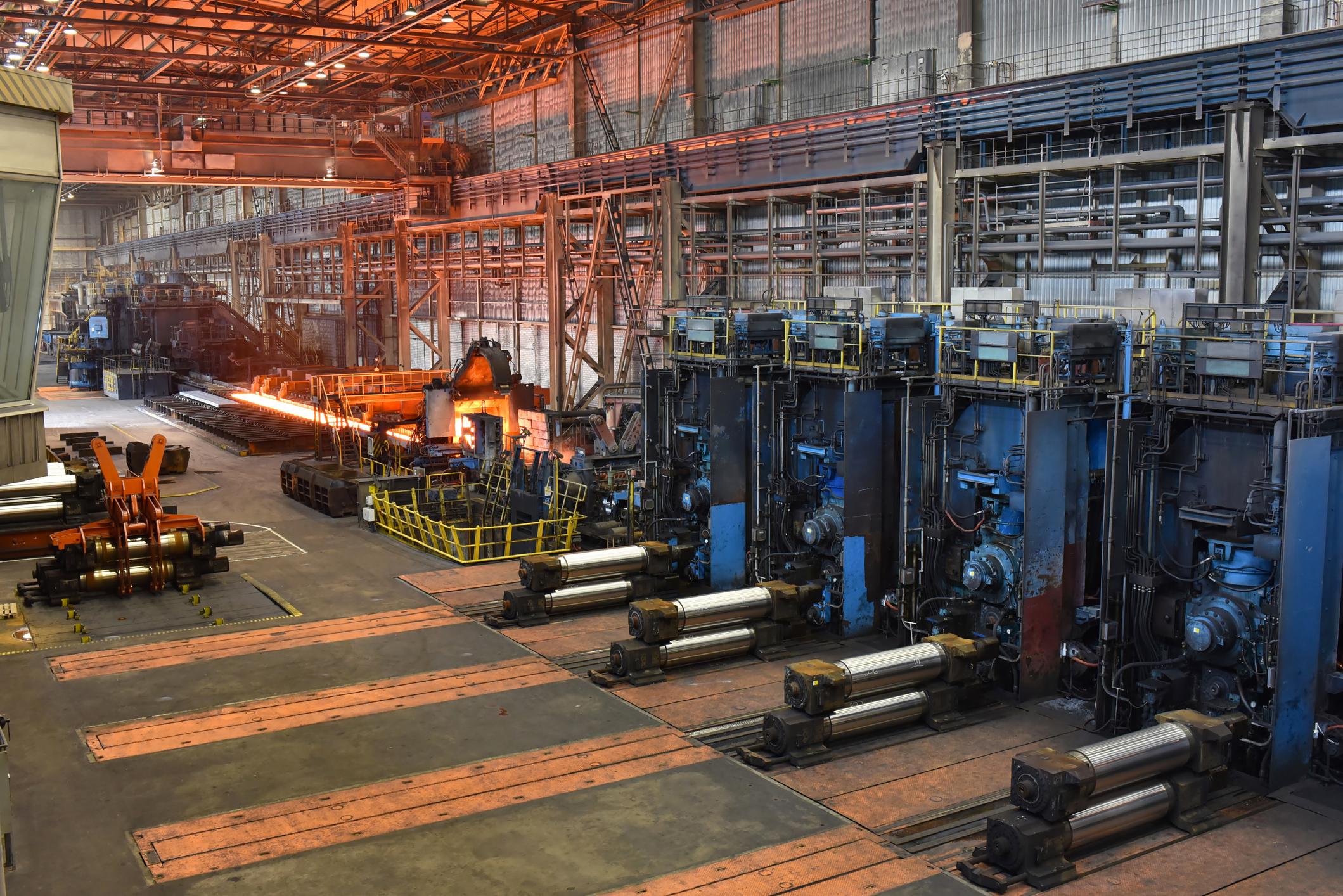
Steel production environments represent some of the most demanding industrial operating conditions. Equipment is exposed to high temperatures, heavy static and dynamic loads, vibration, scale, dust, and continuous operation with limited maintenance windows. In this context, material reliability and predictable wear behavior are critical factors for plant availability and operational safety. WECOBA alloys developed for steel industry applications are engineered to deliver stable performance under these extreme conditions. They are specifically selected for components where wear resistance, load-bearing capacity, dimensional stability, and controlled sliding behavior are essential to ensure uninterrupted production.

Material Concept for Steel Production Environments

In steel mills, material performance is determined by the ability to withstand combined mechanical, thermal, and environmental stress over long operating periods. WECOBA bronze and copper-based alloys are designed to provide:

  • High resistance to wear and surface fatigue

  • Stable mechanical properties under continuous load

  • Controlled friction and sliding behavior

  • Resistance to deformation and misalignment

  • Predictable, non-catastrophic wear patterns

Rather than maximizing individual properties, WECOBA alloys focus on a balanced material behavior that supports reliability and long service life in real steel plant conditions.

Typical Applications in the Steel Industry

Wear Parts and Contact Elements

Wear parts in steel production are exposed to abrasion, friction, impact, and scale. These components protect larger assemblies and are critical for maintaining controlled movement and alignment.

WECOBA bronze alloys offer controlled wear behavior and resistance to surface damage, helping extend replacement intervals while protecting mating steel components. Typical applications include wear shoes, wear blocks, guide elements, and contact plates used throughout steel processing lines.

Sliding Plates and Gleitplatten

Sliding plates are widely used in rolling mills, slab handling systems, furnaces, and transport equipment. They must support very high loads while allowing controlled movement, often under poor lubrication conditions.

WECOBA bronze alloys provide favorable sliding properties and high load-bearing capacity, enabling smooth motion and stable positioning even under extreme contact pressure. Their dimensional stability helps prevent seizure, uneven wear, and alignment issues.

Heavily Loaded Bearings and Bushings

Bearings and bushings in steel plants typically operate at low speeds under very high loads, often combined with shock loads and vibration.

WECOBA bronze alloys are well suited for these conditions due to their high compressive strength and resistance to plastic deformation. Their tribological behavior supports reliable operation even with intermittent lubrication, reducing the risk of failure and unplanned shutdowns.

Housings and Structural Bronze Components

Bronze housings and structural components are used in steel production equipment where robustness, damping behavior, and wear resistance are required.

WECOBA alloys offer excellent vibration damping and structural stability, helping absorb shock loads and reduce noise. These properties support the protection of shafts, bearings, and gears in demanding steel mill applications.

Gears and Worm Wheels

Gears and worm wheels are used throughout steel plants in drives, positioning systems, and auxiliary equipment. These components are exposed to high contact pressures, continuous load, and variable operating conditions.

WECOBA bronze alloys are commonly paired with steel counterparts to achieve favorable tribological performance. Their resistance to surface fatigue and deformation supports smooth power transmission, reduced wear, and extended service life of gear systems.

Performance in Continuous and High-Load Operation

Steel industry applications are characterized by continuous production, high utilization rates, and limited downtime tolerance. WECOBA alloys are developed to maintain their mechanical integrity and surface performance under these conditions.

Improved resistance to wear, deformation, and fatigue helps ensure predictable component behavior and reduces the likelihood of sudden failures that could disrupt production.

Economic Impact – Availability and Lifecycle Cost

In steel plants, the cost of downtime is extremely high. Component failure can interrupt entire production lines, leading to significant economic and operational consequences.

By extending component service life and enabling predictable maintenance intervals, WECOBA alloys help reduce:

  • Frequency of component replacement

  • Maintenance effort and intervention time

  • Risk of secondary damage to adjacent components

  • Unplanned production stoppages

This directly contributes to higher plant availability and lower total cost of ownership.

Materials Designed for Steel Production Reliability

WECOBA alloys for the steel industry are engineered to support durability, safety, and predictable performance in environments where material failure is not acceptable. Their controlled wear behavior, high load capacity, and resistance to fatigue make them a reliable choice for critical components throughout steel production facilities.

APPLICABLE ALLOYS
WECOBA® 190
WECOBA® 270
WECOBA® 290
WECOBA® 330
WECOBA® 390
WECOBA® S

HEAVY INDUSTRY & STEEL

Heavy Industry & Steel Industries

Bronze and Copper-Based Materials for Continuous Operation and Extreme Loads

Steel production environments represent some of the most demanding industrial operating conditions. Equipment is exposed to high temperatures, heavy static and dynamic loads, vibration, scale, dust, and continuous operation with limited maintenance windows. In this context, material reliability and predictable wear behavior are critical factors for plant availability and operational safety. WECOBA alloys developed for steel industry applications are engineered to deliver stable performance under these extreme conditions. They are specifically selected for components where wear resistance, load-bearing capacity, dimensional stability, and controlled sliding behavior are essential to ensure uninterrupted production.

Material Concept for Steel Production Environments

In steel mills, material performance is determined by the ability to withstand combined mechanical, thermal, and environmental stress over long operating periods. WECOBA bronze and copper-based alloys are designed to provide:

  • High resistance to wear and surface fatigue

  • Stable mechanical properties under continuous load

  • Controlled friction and sliding behavior

  • Resistance to deformation and misalignment

  • Predictable, non-catastrophic wear patterns

Rather than maximizing individual properties, WECOBA alloys focus on a balanced material behavior that supports reliability and long service life in real steel plant conditions.

Typical Applications in the Steel Industry

Wear Parts and Contact Elements

Wear parts in steel production are exposed to abrasion, friction, impact, and scale. These components protect larger assemblies and are critical for maintaining controlled movement and alignment.

WECOBA bronze alloys offer controlled wear behavior and resistance to surface damage, helping extend replacement intervals while protecting mating steel components. Typical applications include wear shoes, wear blocks, guide elements, and contact plates used throughout steel processing lines.

Sliding Plates and Gleitplatten

Sliding plates are widely used in rolling mills, slab handling systems, furnaces, and transport equipment. They must support very high loads while allowing controlled movement, often under poor lubrication conditions.

WECOBA bronze alloys provide favorable sliding properties and high load-bearing capacity, enabling smooth motion and stable positioning even under extreme contact pressure. Their dimensional stability helps prevent seizure, uneven wear, and alignment issues.

Heavily Loaded Bearings and Bushings

Bearings and bushings in steel plants typically operate at low speeds under very high loads, often combined with shock loads and vibration.

WECOBA bronze alloys are well suited for these conditions due to their high compressive strength and resistance to plastic deformation. Their tribological behavior supports reliable operation even with intermittent lubrication, reducing the risk of failure and unplanned shutdowns.

Housings and Structural Bronze Components

Bronze housings and structural components are used in steel production equipment where robustness, damping behavior, and wear resistance are required.

WECOBA alloys offer excellent vibration damping and structural stability, helping absorb shock loads and reduce noise. These properties support the protection of shafts, bearings, and gears in demanding steel mill applications.

Gears and Worm Wheels

Gears and worm wheels are used throughout steel plants in drives, positioning systems, and auxiliary equipment. These components are exposed to high contact pressures, continuous load, and variable operating conditions.

WECOBA bronze alloys are commonly paired with steel counterparts to achieve favorable tribological performance. Their resistance to surface fatigue and deformation supports smooth power transmission, reduced wear, and extended service life of gear systems.

Performance in Continuous and High-Load Operation

Steel industry applications are characterized by continuous production, high utilization rates, and limited downtime tolerance. WECOBA alloys are developed to maintain their mechanical integrity and surface performance under these conditions.

Improved resistance to wear, deformation, and fatigue helps ensure predictable component behavior and reduces the likelihood of sudden failures that could disrupt production.

Economic Impact – Availability and Lifecycle Cost

In steel plants, the cost of downtime is extremely high. Component failure can interrupt entire production lines, leading to significant economic and operational consequences.

By extending component service life and enabling predictable maintenance intervals, WECOBA alloys help reduce:

  • Frequency of component replacement

  • Maintenance effort and intervention time

  • Risk of secondary damage to adjacent components

  • Unplanned production stoppages

This directly contributes to higher plant availability and lower total cost of ownership.

Materials Designed for Steel Production Reliability

WECOBA alloys for the steel industry are engineered to support durability, safety, and predictable performance in environments where material failure is not acceptable. Their controlled wear behavior, high load capacity, and resistance to fatigue make them a reliable choice for critical components throughout steel production facilities.

APPLICABLE ALLOYS
WECOBA® 190
WECOBA® 270
WECOBA® 290
WECOBA® 330
WECOBA® 390
WECOBA® S

Steel and Heavy Industry

Bronze and Copper-Based Materials for Continuous Operation and Extreme Loads

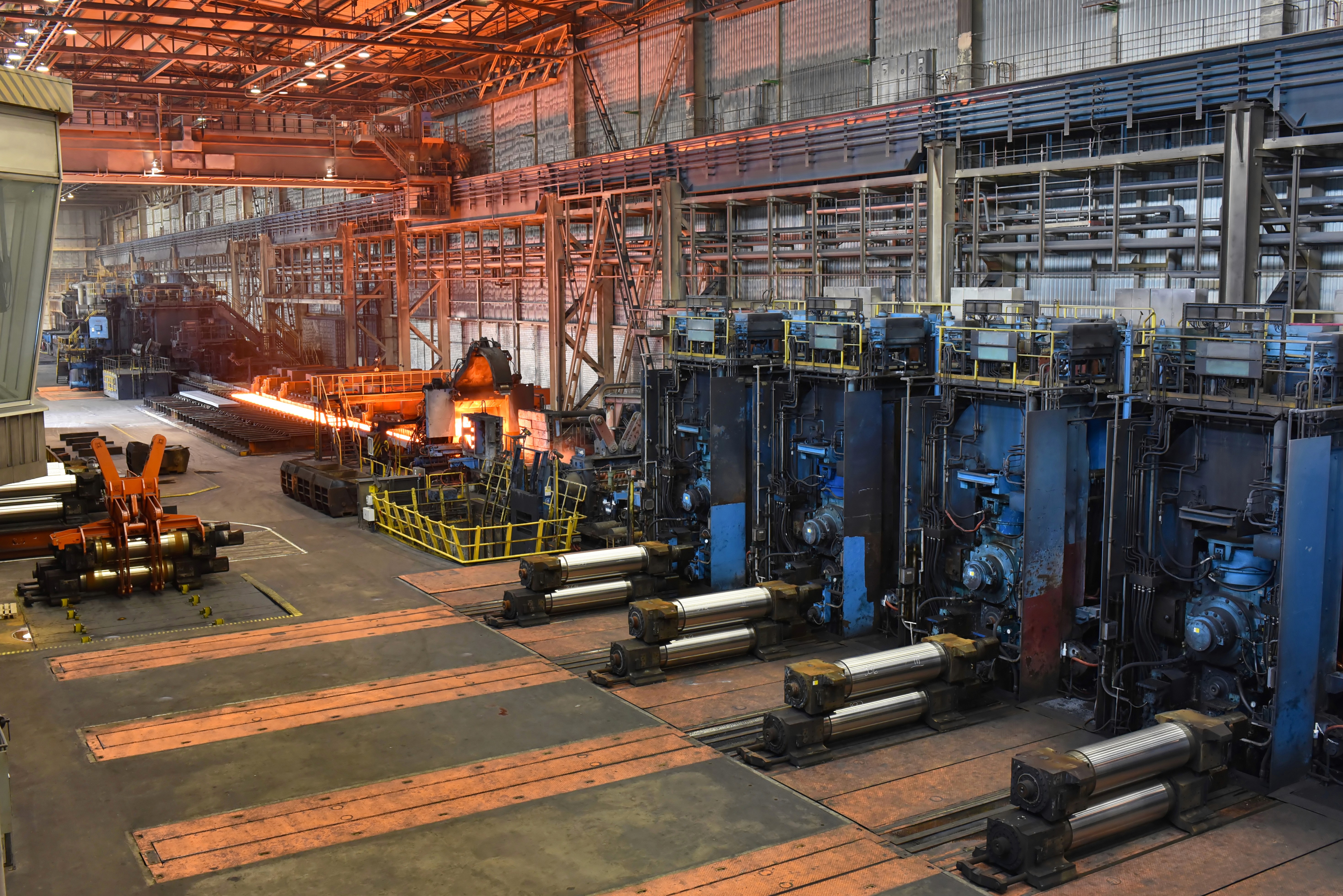
Steel production environments represent some of the most demanding industrial operating conditions. Equipment is exposed to high temperatures, heavy static and dynamic loads, vibration, scale, dust, and continuous operation with limited maintenance windows. In this context, material reliability and predictable wear behavior are critical factors for plant availability and operational safety. WECOBA alloys developed for steel industry applications are engineered to deliver stable performance under these extreme conditions. They are specifically selected for components where wear resistance, load-bearing capacity, dimensional stability, and controlled sliding behavior are essential to ensure uninterrupted production.

Material Concept for Steel Production Environments

In steel mills, material performance is determined by the ability to withstand combined mechanical, thermal, and environmental stress over long operating periods. WECOBA bronze and copper-based alloys are designed to provide:

  • High resistance to wear and surface fatigue

  • Stable mechanical properties under continuous load

  • Controlled friction and sliding behavior

  • Resistance to deformation and misalignment

  • Predictable, non-catastrophic wear patterns

Rather than maximizing individual properties, WECOBA alloys focus on a balanced material behavior that supports reliability and long service life in real steel plant conditions.

Typical Applications in the Steel Industry

Wear Parts and Contact Elements

Wear parts in steel production are exposed to abrasion, friction, impact, and scale. These components protect larger assemblies and are critical for maintaining controlled movement and alignment.

WECOBA bronze alloys offer controlled wear behavior and resistance to surface damage, helping extend replacement intervals while protecting mating steel components. Typical applications include wear shoes, wear blocks, guide elements, and contact plates used throughout steel processing lines.

Sliding Plates and Gleitplatten

Sliding plates are widely used in rolling mills, slab handling systems, furnaces, and transport equipment. They must support very high loads while allowing controlled movement, often under poor lubrication conditions.

WECOBA bronze alloys provide favorable sliding properties and high load-bearing capacity, enabling smooth motion and stable positioning even under extreme contact pressure. Their dimensional stability helps prevent seizure, uneven wear, and alignment issues.

Heavily Loaded Bearings and Bushings

Bearings and bushings in steel plants typically operate at low speeds under very high loads, often combined with shock loads and vibration.

WECOBA bronze alloys are well suited for these conditions due to their high compressive strength and resistance to plastic deformation. Their tribological behavior supports reliable operation even with intermittent lubrication, reducing the risk of failure and unplanned shutdowns.

Housings and Structural Bronze Components

Bronze housings and structural components are used in steel production equipment where robustness, damping behavior, and wear resistance are required.

WECOBA alloys offer excellent vibration damping and structural stability, helping absorb shock loads and reduce noise. These properties support the protection of shafts, bearings, and gears in demanding steel mill applications.

Gears and Worm Wheels

Gears and worm wheels are used throughout steel plants in drives, positioning systems, and auxiliary equipment. These components are exposed to high contact pressures, continuous load, and variable operating conditions.

WECOBA bronze alloys are commonly paired with steel counterparts to achieve favorable tribological performance. Their resistance to surface fatigue and deformation supports smooth power transmission, reduced wear, and extended service life of gear systems.

Performance in Continuous and High-Load Operation

Steel industry applications are characterized by continuous production, high utilization rates, and limited downtime tolerance. WECOBA alloys are developed to maintain their mechanical integrity and surface performance under these conditions.

Improved resistance to wear, deformation, and fatigue helps ensure predictable component behavior and reduces the likelihood of sudden failures that could disrupt production.

Economic Impact – Availability and Lifecycle Cost

In steel plants, the cost of downtime is extremely high. Component failure can interrupt entire production lines, leading to significant economic and operational consequences.

By extending component service life and enabling predictable maintenance intervals, WECOBA alloys help reduce:

  • Frequency of component replacement

  • Maintenance effort and intervention time

  • Risk of secondary damage to adjacent components

  • Unplanned production stoppages

This directly contributes to higher plant availability and lower total cost of ownership.

Materials Designed for Steel Production Reliability

WECOBA alloys for the steel industry are engineered to support durability, safety, and predictable performance in environments where material failure is not acceptable. Their controlled wear behavior, high load capacity, and resistance to fatigue make them a reliable choice for critical components throughout steel production facilities.

APPLICABLE ALLOYS
WECOBA® 190
WECOBA® 270
WECOBA® 290
WECOBA® 330
WECOBA® 390
WECOBA® S

HIGH CONDUCTIVITY

COPPER ALLOY

WECOBA® S
  • Core inserts for injection moulding tools

  • Plunger tips

  • Electrodes and holders for resistance welding processes

  • Spot welding and seam welding electrodes

  • Various applications for heat dissipation

Ni

NICKEL

Si

SILICON

Cr

CHROMIUM

Cu

COPPER

2.4

0.7

0.4

balance

  • Excellent electrical and thermal conductivity

  • High strength and hardness

  • High thermal stability at elevated temperatures

  • Good corrosion resistance

  • Beryllium- free (alternative to Beryllium Products such as CuCoNiBe…)

HIGH STRENGTH | WEAR RESISTANCE

ALUMINIUM BRONZE

WECOBA® 190
  • Bearings and bushings

  • Gears and worm gears

  • Sliding elements and wear parts

  • Guide strips and sliding blocks

  • Keys and spindle nuts

  • Pinions, bevel gears, levers and housings

  • Sealing rings and wipers

Al

Fe


Cu

ALUMINIUM

IRON

OTHERS

COPPER

11

3.5

max. 0.5

balance

  • Higher strength and hardness compared with other alloys in this material group

  • Balanced ratio of toughness and ductility for high load capacity

  • Very good corrosion resistance suitable for aggressive fluids.

  • High wear resistance supporting extended service life

  • Very good sliding properties suitable as a mating material for stainless steel

  • Proven performance under severe operating conditions including marine environments and heavy-duty machinery

  • Versatile use across a wide range of mechanical engineering applications

HIGH STRENGTH | WEAR RESISTANCE | HIGH FATIGUE RESISTANCE

ALUMINIUM BRONZE

WECOBA® 270
  • Bearings, bushings, shafts, journal bearings and gears

  • Valves, valve seats, flanges and high-temperature steam fittings

  • Sliding elements, wear parts and guide strips

Al

ALUMINIUM

Fe

IRON

Ni

NICKEL

Mn

MANGANESE

OTHERS

Cu

COPPER

  10.8

5.0

5.4

1.0

max. 0.5

balance

  • High strength and hardness suitable for extreme mechanical loads and elevated temperatures

  • Balanced combination of toughness and ductility for highly loaded components

  • Very good corrosion wear and heat resistance

  • Good sliding properties ensuring reliable performance at low and high contact pressures

  • Proven performance under extreme operating conditions including marine applications and high-performance components

  • Performance exceeding standard nickel aluminum bronzes with extended service life and increased reliability

HIGH STRENGTH | WEAR RESISTANCE

ALUMINIUM BRONZE

WECOBA® 290
  • Bending mandrels and spherical segments for tube forming

  • Grinding prism and grinding straightedges

  • Sliding elements and wear parts

  • Guide elements

  • Slide elements for plastic injection moulds

Al

ALUMINIUM

Fe

IRON

Mn

MANGANESE

OTHERS

Cu

COPPER

 13.0

4.2

0.8

max. 0.5

balance

  • High strength and hardness

  • High compressive strength

  • Very good corrosion and wear resistance

  • Good sliding properties suitable as a mating material for stainless steel

HIGH STRENGTH | WEAR RESISTANCE

ALUMINIUM BRONZE

WECOBA® 330
  • Forming and bending tools especially bending mandrels

  • Deep Drawing tools, blank holders and punches

  • Stretch forming and profiling tools

  • Sliding elements and wear parts

  • Guide strips and pressure plates

Al

ALUMINIUM

Fe

IRON

Mn

MANGANESE

OTHERS

Cu

COPPER

13.8

4.6

1.0

max. 0.5

balance

  • High strength and hardness

  • High compressive strength

  • Very good corrosion and wear resistance

  • Good sliding properties suitable as a mating material for stainless steel

HIGH STRENGTH | WEAR RESISTANCE

ALUMINIUM BRONZE

WECOBA® 390
  • Deep Drawing tools, blank holders and punches

  • Stretch forming and profiling tools

  • Forming and bending tools

  • Sliding elements and wear parts

  • Guide strips and pressure plates

  • Slide elements for plastic injection moulds

  • Forming rolls and welding rolls for welded tubes

Al

ALUMINIUM

Fe

IRON

OTHERS

Cu

COPPER

Not intended for public release

  • Highest hardness among aluminum bronzes

  • High compressive strength

  • Very good corrosion and wear resistance

  • Good sliding properties suitable as a mating material for stainless steel

  • Magnetic permeability close to neutral
PLASTICS PROCESSING

Plastics Processing Industries

Material Stability for Injection Moulding and Extrusion Systems

Plastic processing operations require precise thermal control, high dimensional accuracy, and reliable long-term operation. Components in injection moulding and extrusion systems are continuously exposed to elevated temperatures, pressure, mechanical load, and abrasive or filled polymer compounds. The performance of spare and wear parts directly influences cycle time stability, product quality, and maintenance intensity. The Plastics Processing Division focuses on copper- and bronze-based spare and wear parts manufactured from advanced WECOBA alloys, developed for demanding polymer processing environments. These materials are engineered to combine thermal performance with mechanical stability and wear resistance, supporting efficient production and reduced total cost of ownership.

Plastics Processing – Operating Environment

Injection moulding and extrusion processes are characterized by continuous or cyclic thermal loading, high pressures, and strict dimensional requirements. Typical challenges include:

  • Rapid heating and cooling cycles

  • Continuous exposure to molten polymers

  • Mechanical wear caused by fillers, reinforcements, and additives

  • High expectations for surface quality and repeatability

  • Limited tolerance for unplanned downtime

Copper- and bronze-based materials are widely used where heat transfer, controlled wear, and dimensional stability are critical. WECOBA alloys are designed to maintain consistent functional properties under these combined demands, enabling stable and predictable process behavior.

Plastic Injection Moulding Applications

Injection moulding relies on precise thermal management and robust mechanical components to achieve consistent cycle times and part quality.

Mould Inserts and Core Components

Mould inserts and cores are responsible for shaping the plastic part while managing heat transfer during solidification. Uneven cooling or material degradation can lead to warpage, sink marks, or extended cycle times.

WECOBA copper alloys provide enhanced thermal conductivity combined with mechanical strength, supporting uniform heat distribution and controlled cooling. Stable material behavior helps maintain dimensional accuracy of the mould cavity over extended production runs, contributing to consistent part quality and reduced cycle time variability.

Ejector and Sliding Components

Ejector pins, slides, and moving mould components operate under repeated mechanical motion and thermal exposure. Wear or deformation can lead to sticking, misalignment, or surface damage on moulded parts.

WECOBA copper and bronze alloys offer controlled friction characteristics and resistance to wear, supporting smooth and reliable movement of mould components. Improved dimensional stability reduces the risk of malfunction and extends maintenance intervals.

Wear Plates and Guiding Elements

Wear plates and guide elements protect mould structures from mechanical contact and friction. These components are designed to absorb wear while preserving the integrity of higher-value mould components.

WECOBA bronze alloys provide predictable wear behavior and resistance to surface degradation. Their durability supports longer service life and simplifies maintenance planning, contributing to higher mould availability.

Plastic Extrusion Applications

Extrusion systems operate continuously and place sustained thermal and mechanical loads on critical components. Material stability and wear resistance are essential to maintaining dimensional consistency and surface quality of extruded products.

Dies and Die Inserts

Extrusion dies and inserts define the final shape of the extruded product while withstanding continuous exposure to molten polymer and pressure.

WECOBA copper alloys support stable thermal conditions within the die, helping to reduce temperature gradients and material flow inconsistencies. Improved resistance to wear and deformation helps maintain die geometry, supporting consistent product dimensions and surface quality over long production campaigns.

Calibration and Cooling Elements

Calibration tools and cooling components control the final dimensions and solidification behavior of extruded profiles.

WECOBA alloys provide efficient heat transfer and mechanical stability, supporting controlled cooling and dimensional accuracy. Stable performance of these components reduces setup sensitivity and improves repeatability during product changeovers.

Sliding, Support, and Wear Components

Extrusion lines include numerous sliding, support, and guiding elements exposed to friction, vibration, and thermal influence.

WECOBA bronze alloys offer favorable tribological properties and resistance to mechanical degradation. Controlled wear behavior helps preserve alignment and motion accuracy, reducing maintenance effort and improving overall line reliability.

Material Quality as a Basis for Process Stability

In plastics processing, small variations in thermal or mechanical performance can have a direct impact on product quality and cycle time. WECOBA alloys are developed with controlled metallurgical quality to ensure consistent behavior across components and production batches.

Key material characteristics include:

  • Stable thermal conductivity under operating temperatures

  • Resistance to wear and surface degradation

  • Dimensional stability under mechanical and thermal load

  • Predictable interaction with mating materials

These attributes support reliable process control and reduced variability in production outcomes.

Operational Efficiency and Total Cost of Ownership

In injection moulding and extrusion, downtime and quality losses often represent a greater cost factor than component replacement itself. Frequent maintenance interrupts production and increases operational complexity.

By extending service life and stabilizing process behavior, WECOBA copper- and bronze-based spare and wear parts support lower total cost of ownership. Reduced maintenance frequency, stable cycle times, and consistent product quality contribute to improved operational efficiency and predictable production costs.

APPLICABLE ALLOYS
WECOBA® S
WECOBA® N
WECOBA® B
WECOBA® 190
WECOBA® 290

PLASTICS PROCESSING

Plastics Processing Industries

Material Stability for Injection Moulding and Extrusion Systems

Plastic processing operations require precise thermal control, high dimensional accuracy, and reliable long-term operation. Components in injection moulding and extrusion systems are continuously exposed to elevated temperatures, pressure, mechanical load, and abrasive or filled polymer compounds. The performance of spare and wear parts directly influences cycle time stability, product quality, and maintenance intensity. The Plastics Processing Division focuses on copper- and bronze-based spare and wear parts manufactured from advanced WECOBA alloys, developed for demanding polymer processing environments. These materials are engineered to combine thermal performance with mechanical stability and wear resistance, supporting efficient production and reduced total cost of ownership.

Plastics Processing – Operating Environment

Injection moulding and extrusion processes are characterized by continuous or cyclic thermal loading, high pressures, and strict dimensional requirements. Typical challenges include:

  • Rapid heating and cooling cycles

  • Continuous exposure to molten polymers

  • Mechanical wear caused by fillers, reinforcements, and additives

  • High expectations for surface quality and repeatability

  • Limited tolerance for unplanned downtime

Copper- and bronze-based materials are widely used where heat transfer, controlled wear, and dimensional stability are critical. WECOBA alloys are designed to maintain consistent functional properties under these combined demands, enabling stable and predictable process behavior.

Plastic Injection Moulding Applications

Injection moulding relies on precise thermal management and robust mechanical components to achieve consistent cycle times and part quality.

Mould Inserts and Core Components

Mould inserts and cores are responsible for shaping the plastic part while managing heat transfer during solidification. Uneven cooling or material degradation can lead to warpage, sink marks, or extended cycle times.

WECOBA copper alloys provide enhanced thermal conductivity combined with mechanical strength, supporting uniform heat distribution and controlled cooling. Stable material behavior helps maintain dimensional accuracy of the mould cavity over extended production runs, contributing to consistent part quality and reduced cycle time variability.

Ejector and Sliding Components

Ejector pins, slides, and moving mould components operate under repeated mechanical motion and thermal exposure. Wear or deformation can lead to sticking, misalignment, or surface damage on moulded parts.

WECOBA copper and bronze alloys offer controlled friction characteristics and resistance to wear, supporting smooth and reliable movement of mould components. Improved dimensional stability reduces the risk of malfunction and extends maintenance intervals.

Wear Plates and Guiding Elements

Wear plates and guide elements protect mould structures from mechanical contact and friction. These components are designed to absorb wear while preserving the integrity of higher-value mould components.

WECOBA bronze alloys provide predictable wear behavior and resistance to surface degradation. Their durability supports longer service life and simplifies maintenance planning, contributing to higher mould availability.

Plastic Extrusion Applications

Extrusion systems operate continuously and place sustained thermal and mechanical loads on critical components. Material stability and wear resistance are essential to maintaining dimensional consistency and surface quality of extruded products.

Dies and Die Inserts

Extrusion dies and inserts define the final shape of the extruded product while withstanding continuous exposure to molten polymer and pressure.

WECOBA copper alloys support stable thermal conditions within the die, helping to reduce temperature gradients and material flow inconsistencies. Improved resistance to wear and deformation helps maintain die geometry, supporting consistent product dimensions and surface quality over long production campaigns.

Calibration and Cooling Elements

Calibration tools and cooling components control the final dimensions and solidification behavior of extruded profiles.

WECOBA alloys provide efficient heat transfer and mechanical stability, supporting controlled cooling and dimensional accuracy. Stable performance of these components reduces setup sensitivity and improves repeatability during product changeovers.

Sliding, Support, and Wear Components

Extrusion lines include numerous sliding, support, and guiding elements exposed to friction, vibration, and thermal influence.

WECOBA bronze alloys offer favorable tribological properties and resistance to mechanical degradation. Controlled wear behavior helps preserve alignment and motion accuracy, reducing maintenance effort and improving overall line reliability.

Material Quality as a Basis for Process Stability

In plastics processing, small variations in thermal or mechanical performance can have a direct impact on product quality and cycle time. WECOBA alloys are developed with controlled metallurgical quality to ensure consistent behavior across components and production batches.

Key material characteristics include:

  • Stable thermal conductivity under operating temperatures

  • Resistance to wear and surface degradation

  • Dimensional stability under mechanical and thermal load

  • Predictable interaction with mating materials

These attributes support reliable process control and reduced variability in production outcomes.

Operational Efficiency and Total Cost of Ownership

In injection moulding and extrusion, downtime and quality losses often represent a greater cost factor than component replacement itself. Frequent maintenance interrupts production and increases operational complexity.

By extending service life and stabilizing process behavior, WECOBA copper- and bronze-based spare and wear parts support lower total cost of ownership. Reduced maintenance frequency, stable cycle times, and consistent product quality contribute to improved operational efficiency and predictable production costs.

APPLICABLE ALLOYS
WECOBA® S
WECOBA® N
WECOBA® B
WECOBA® 190
WECOBA® 290

HIGH CONDUCTIVITY

COPPER ALLOY

WECOBA® S
  • Core inserts for injection moulding tools

  • Plunger tips

  • Electrodes and holders for resistance welding processes

  • Spot welding and seam welding electrodes

  • Various applications for heat dissipation

Ni

NICKEL

Si

SILICON

Cr

CHROMIUM

Cu

COPPER

2.4

0.7

0.4

balance

  • Excellent electrical and thermal conductivity

  • High strength and hardness

  • High thermal stability at elevated temperatures

  • Good corrosion resistance

  • Beryllium- free (alternative to Beryllium Products such as CuCoNiBe…)

HIGH CONDUCTIVITY

COPPER ALLOY

WECOBA® N
  • Core inserts and components for injection moulding tools

  • Blow moulding and thermoforming tools

  • Welding fixtures

  • Moulds for non-ferrous metal casting

Ni

NICKEL

Si

SILICON

Cr

CHROMIUM

OTHERS

Cu

COPPER

7.0

2.1

0.9

max. 0.5

balance

  • Highest strength and hardness among beryllium-free alloys

  • Very good electrical and thermal conductivity

  • High thermal stability

  • Good corrosion resistance

  • Beryllium-free alternative to CuBe2

HIGH CONDUCTIVITY

COPPER ALLOY WITH BERYLLIUM

WECOBA® B
  • Highly loaded components for flash butt and projection welding

  • Spark-free and non-magnetic manual tools

  • Mould inserts, cooling plates and cooling pins

Co

COBALT

Ni

NICKEL

Be

BERYLLIUM

Co+Ni+Fe

Cu

COPPER

min. 0.2

1.9

max. 0.6

balance

  • Highest hardness and tensile strength among low-alloy copper materials

  • High electrical and thermal conductivity

  • High thermal stability at elevated temperatures

  • Very high creep resistance

  • Suitable for mould making applications involving abrasive plastics

HIGH STRENGTH | WEAR RESISTANCE

ALUMINIUM BRONZE

WECOBA® 190
  • Bearings and bushings

  • Gears and worm gears

  • Sliding elements and wear parts

  • Guide strips and sliding blocks

  • Keys and spindle nuts

  • Pinions, bevel gears, levers and housings

  • Sealing rings and wipers

Al

Fe


Cu

ALUMINIUM

IRON

OTHERS

COPPER

11

3.5

max. 0.5

balance

  • Higher strength and hardness compared with other alloys in this material group

  • Balanced ratio of toughness and ductility for high load capacity

  • Very good corrosion resistance suitable for aggressive fluids.

  • High wear resistance supporting extended service life

  • Very good sliding properties suitable as a mating material for stainless steel

  • Proven performance under severe operating conditions including marine environments and heavy-duty machinery

  • Versatile use across a wide range of mechanical engineering applications

HIGH STRENGTH | WEAR RESISTANCE

ALUMINIUM BRONZE

WECOBA® 290
  • Bending mandrels and spherical segments for tube forming

  • Grinding prism and grinding straightedges

  • Sliding elements and wear parts

  • Guide elements

  • Slide elements for plastic injection moulds

Al

ALUMINIUM

Fe

IRON

Mn

MANGANESE

OTHERS

Cu

COPPER

 13.0

4.2

0.8

max. 0.5

balance

  • High strength and hardness

  • High compressive strength

  • Very good corrosion and wear resistance

  • Good sliding properties suitable as a mating material for stainless steel

Automotive & Tiers

Automotive Industries

Advanced Solutions for Resistance Welding and Tube Bending Applications

Automotive manufacturing combines high production volumes with strict quality, safety, and cost requirements. Processes such as resistance welding and tube bending operate at high cycle rates and demand absolute repeatability. Consumable and wear parts play a critical role in maintaining stable processes, consistent product quality, and efficient production flow. The Automotive Division focuses on copper-based spare and wear parts manufactured from advanced WECOBA alloys, specifically developed for demanding automotive production environments. These materials are designed to support long service life, stable process behavior, and reduced operational interruptions—key factors in achieving reliable series production and optimized total cost of ownership.

Automotive Manufacturing – Process Context

Automotive production lines operate under tightly controlled conditions. Welding stations and forming processes are highly automated and interconnected, meaning that the performance of individual consumable components directly affects overall line availability.

Copper-based components used in these processes must combine:

  • Reliable electrical and thermal performance

  • Resistance to mechanical wear and deformation

  • Dimensional stability under continuous thermal cycling

  • Predictable behavior over long production runs

WECOBA copper alloys are engineered to meet these combined requirements, providing a stable material foundation for critical automotive manufacturing operations.

Resistance Welding in Automotive Production

Resistance welding is a core joining technology in body-in-white, chassis, and exhaust system manufacturing. The process relies on controlled heat generation through electrical resistance while mechanical force is applied via copper electrodes.

In high-volume automotive environments, electrode performance directly influences weld consistency, cycle time stability, and maintenance frequency. WECOBA copper alloys are designed to maintain functional properties under repeated thermal and mechanical stress, supporting stable current transfer and controlled heat input throughout extended operating periods.

Spot Welding

Spot welding is extensively used for joining sheet metal components in automotive structures. Electrode tips are exposed to high localized temperatures, pressure, and material coatings, often under very short cycle times.

WECOBA copper alloys provide resistance to thermal softening and mechanical deformation, allowing electrode tips to retain their functional geometry for longer periods. This stability supports consistent weld nugget formation and reduces variation in joint quality. Extended service life of the electrode tips helps minimize dressing intervals and unplanned stoppages, supporting continuous, high-throughput production.

Seam Welding

Seam welding is applied in automotive applications where continuous joints are required, such as in certain exhaust components or fluid-carrying assemblies.

The rotating electrode wheels used in this process must maintain precise geometry while transferring current and dissipating heat continuously. WECOBA alloys provide the structural stability needed to resist wear and deformation under constant load. Stable electrode behavior supports uniform weld seams and predictable joint integrity across long production runs.

Projection Welding

Projection welding is commonly used for attaching fasteners, brackets, and functional elements to automotive components. The process relies on controlled current concentration at defined projections.

WECOBA copper alloys help maintain stable electrode surfaces, ensuring consistent current flow and reliable projection collapse. This contributes to repeatable weld results and reduces sensitivity to process variation, particularly in automated stations with minimal operator intervention.

Tube Bending for Exhaust Systems

Tube bending is a critical forming process in the production of automotive exhaust systems. Exhaust tubes must meet tight dimensional tolerances while maintaining material integrity and surface quality. The process involves significant mechanical forces, friction, and localized stress.

Copper-based wear parts are used in several areas of tube bending equipment, including bending dies, pressure dies, wiper dies, mandrels, and sliding or guiding elements.

Bending and Pressure Dies

Bending and pressure dies control tube geometry during the forming process. They are exposed to high contact forces and continuous friction against the tube surface.

WECOBA copper alloys provide improved resistance to wear and surface degradation, helping dies maintain their defined geometry over extended production runs. Stable die surfaces support consistent bend radii and reduce the risk of surface damage or dimensional deviation on the finished tube.

Mandrels and Wiper Dies

Mandrels and wiper dies support the tube internally and externally during bending, preventing collapse, wrinkling, or thinning.

WECOBA copper alloys offer a combination of strength and controlled surface interaction that supports stable tube support without excessive wear. Improved dimensional stability helps maintain consistent internal support geometry, contributing to repeatable forming results and reduced scrap rates.

Sliding and Guiding Components

Tube bending equipment includes various sliding and guiding elements that operate under load and repeated motion. These components are subject to friction, wear, and thermal influence from the forming process.

WECOBA alloys provide favorable tribological behavior and resistance to mechanical degradation. Reduced wear helps preserve alignment and motion accuracy, supporting smooth operation and reducing maintenance frequency.

Material Quality as a Process Stabilizer

In automotive manufacturing, even small variations in consumable performance can lead to significant downstream effects. WECOBA copper alloys are developed with a focus on long-term stability rather than short-term optimization.

Key material characteristics include:

  • Resistance to wear under high-cycle operation

  • Stability of mechanical properties at elevated temperatures

  • Reliable electrical and thermal performance

  • Dimensional consistency under continuous load

These attributes support predictable process behavior and reduce the need for frequent adjustment or intervention.

Operational Efficiency and Total Cost of Ownership

For automotive manufacturers, the cost impact of consumables extends far beyond procurement. Downtime, line imbalance, scrap, and rework represent substantial economic risks.

By extending service life and stabilizing process performance, WECOBA copper-based spare and wear parts support lower total cost of ownership. Reduced maintenance effort, fewer unplanned stoppages, and consistent product quality all contribute to improved operational efficiency and predictable production costs.

APPLICABLE ALLOYS
WECOBA® 190
WECOBA® 290
WECOBA® 390
WECOBA® Z
WECOBA® D
WECOBA® S
WECOBA® B

Automotive & Tiers

Automotive Industries

Advanced Solutions for Resistance Welding and Tube Bending Applications

Automotive manufacturing combines high production volumes with strict quality, safety, and cost requirements. Processes such as resistance welding and tube bending operate at high cycle rates and demand absolute repeatability. Consumable and wear parts play a critical role in maintaining stable processes, consistent product quality, and efficient production flow. The Automotive Division focuses on copper-based spare and wear parts manufactured from advanced WECOBA alloys, specifically developed for demanding automotive production environments. These materials are designed to support long service life, stable process behavior, and reduced operational interruptions—key factors in achieving reliable series production and optimized total cost of ownership.

Automotive Manufacturing – Process Context

Automotive production lines operate under tightly controlled conditions. Welding stations and forming processes are highly automated and interconnected, meaning that the performance of individual consumable components directly affects overall line availability.

Copper-based components used in these processes must combine:

  • Reliable electrical and thermal performance

  • Resistance to mechanical wear and deformation

  • Dimensional stability under continuous thermal cycling

  • Predictable behavior over long production runs

WECOBA copper alloys are engineered to meet these combined requirements, providing a stable material foundation for critical automotive manufacturing operations.

Resistance Welding in Automotive Production

Resistance welding is a core joining technology in body-in-white, chassis, and exhaust system manufacturing. The process relies on controlled heat generation through electrical resistance while mechanical force is applied via copper electrodes.

In high-volume automotive environments, electrode performance directly influences weld consistency, cycle time stability, and maintenance frequency. WECOBA copper alloys are designed to maintain functional properties under repeated thermal and mechanical stress, supporting stable current transfer and controlled heat input throughout extended operating periods.

Spot Welding

Spot welding is extensively used for joining sheet metal components in automotive structures. Electrode tips are exposed to high localized temperatures, pressure, and material coatings, often under very short cycle times.

WECOBA copper alloys provide resistance to thermal softening and mechanical deformation, allowing electrode tips to retain their functional geometry for longer periods. This stability supports consistent weld nugget formation and reduces variation in joint quality. Extended service life of the electrode tips helps minimize dressing intervals and unplanned stoppages, supporting continuous, high-throughput production.

Seam Welding

Seam welding is applied in automotive applications where continuous joints are required, such as in certain exhaust components or fluid-carrying assemblies.

The rotating electrode wheels used in this process must maintain precise geometry while transferring current and dissipating heat continuously. WECOBA alloys provide the structural stability needed to resist wear and deformation under constant load. Stable electrode behavior supports uniform weld seams and predictable joint integrity across long production runs.

Projection Welding

Projection welding is commonly used for attaching fasteners, brackets, and functional elements to automotive components. The process relies on controlled current concentration at defined projections.

WECOBA copper alloys help maintain stable electrode surfaces, ensuring consistent current flow and reliable projection collapse. This contributes to repeatable weld results and reduces sensitivity to process variation, particularly in automated stations with minimal operator intervention.

Tube Bending for Exhaust Systems

Tube bending is a critical forming process in the production of automotive exhaust systems. Exhaust tubes must meet tight dimensional tolerances while maintaining material integrity and surface quality. The process involves significant mechanical forces, friction, and localized stress.

Copper-based wear parts are used in several areas of tube bending equipment, including bending dies, pressure dies, wiper dies, mandrels, and sliding or guiding elements.

Bending and Pressure Dies

Bending and pressure dies control tube geometry during the forming process. They are exposed to high contact forces and continuous friction against the tube surface.

WECOBA copper alloys provide improved resistance to wear and surface degradation, helping dies maintain their defined geometry over extended production runs. Stable die surfaces support consistent bend radii and reduce the risk of surface damage or dimensional deviation on the finished tube.

Mandrels and Wiper Dies

Mandrels and wiper dies support the tube internally and externally during bending, preventing collapse, wrinkling, or thinning.

WECOBA copper alloys offer a combination of strength and controlled surface interaction that supports stable tube support without excessive wear. Improved dimensional stability helps maintain consistent internal support geometry, contributing to repeatable forming results and reduced scrap rates.

Sliding and Guiding Components

Tube bending equipment includes various sliding and guiding elements that operate under load and repeated motion. These components are subject to friction, wear, and thermal influence from the forming process.

WECOBA alloys provide favorable tribological behavior and resistance to mechanical degradation. Reduced wear helps preserve alignment and motion accuracy, supporting smooth operation and reducing maintenance frequency.

Material Quality as a Process Stabilizer

In automotive manufacturing, even small variations in consumable performance can lead to significant downstream effects. WECOBA copper alloys are developed with a focus on long-term stability rather than short-term optimization.

Key material characteristics include:

  • Resistance to wear under high-cycle operation

  • Stability of mechanical properties at elevated temperatures

  • Reliable electrical and thermal performance

  • Dimensional consistency under continuous load

These attributes support predictable process behavior and reduce the need for frequent adjustment or intervention.

Operational Efficiency and Total Cost of Ownership

For automotive manufacturers, the cost impact of consumables extends far beyond procurement. Downtime, line imbalance, scrap, and rework represent substantial economic risks.

By extending service life and stabilizing process performance, WECOBA copper-based spare and wear parts support lower total cost of ownership. Reduced maintenance effort, fewer unplanned stoppages, and consistent product quality all contribute to improved operational efficiency and predictable production costs.

APPLICABLE ALLOYS
WECOBA® 190
WECOBA® 290
WECOBA® 390
WECOBA® Z
WECOBA® D
WECOBA® S
WECOBA® B

Automotive & Suppliers

Automotive Industries

Advanced Solutions for Resistance Welding and Tube Bending Applications

Automotive manufacturing combines high production volumes with strict quality, safety, and cost requirements. Processes such as resistance welding and tube bending operate at high cycle rates and demand absolute repeatability. Consumable and wear parts play a critical role in maintaining stable processes, consistent product quality, and efficient production flow. The Automotive Division focuses on copper-based spare and wear parts manufactured from advanced WECOBA alloys, specifically developed for demanding automotive production environments. These materials are designed to support long service life, stable process behavior, and reduced operational interruptions—key factors in achieving reliable series production and optimized total cost of ownership.

Automotive Manufacturing – Process Context

Automotive production lines operate under tightly controlled conditions. Welding stations and forming processes are highly automated and interconnected, meaning that the performance of individual consumable components directly affects overall line availability.

Copper-based components used in these processes must combine:

  • Reliable electrical and thermal performance

  • Resistance to mechanical wear and deformation

  • Dimensional stability under continuous thermal cycling

  • Predictable behavior over long production runs

WECOBA copper alloys are engineered to meet these combined requirements, providing a stable material foundation for critical automotive manufacturing operations.

Resistance Welding in Automotive Production

Resistance welding is a core joining technology in body-in-white, chassis, and exhaust system manufacturing. The process relies on controlled heat generation through electrical resistance while mechanical force is applied via copper electrodes.

In high-volume automotive environments, electrode performance directly influences weld consistency, cycle time stability, and maintenance frequency. WECOBA copper alloys are designed to maintain functional properties under repeated thermal and mechanical stress, supporting stable current transfer and controlled heat input throughout extended operating periods.

Spot Welding

Spot welding is extensively used for joining sheet metal components in automotive structures. Electrode tips are exposed to high localized temperatures, pressure, and material coatings, often under very short cycle times.

WECOBA copper alloys provide resistance to thermal softening and mechanical deformation, allowing electrode tips to retain their functional geometry for longer periods. This stability supports consistent weld nugget formation and reduces variation in joint quality. Extended service life of the electrode tips helps minimize dressing intervals and unplanned stoppages, supporting continuous, high-throughput production.

Seam Welding

Seam welding is applied in automotive applications where continuous joints are required, such as in certain exhaust components or fluid-carrying assemblies.

The rotating electrode wheels used in this process must maintain precise geometry while transferring current and dissipating heat continuously. WECOBA alloys provide the structural stability needed to resist wear and deformation under constant load. Stable electrode behavior supports uniform weld seams and predictable joint integrity across long production runs.

Projection Welding

Projection welding is commonly used for attaching fasteners, brackets, and functional elements to automotive components. The process relies on controlled current concentration at defined projections.

WECOBA copper alloys help maintain stable electrode surfaces, ensuring consistent current flow and reliable projection collapse. This contributes to repeatable weld results and reduces sensitivity to process variation, particularly in automated stations with minimal operator intervention.

Tube Bending for Exhaust Systems

Tube bending is a critical forming process in the production of automotive exhaust systems. Exhaust tubes must meet tight dimensional tolerances while maintaining material integrity and surface quality. The process involves significant mechanical forces, friction, and localized stress.

Copper-based wear parts are used in several areas of tube bending equipment, including bending dies, pressure dies, wiper dies, mandrels, and sliding or guiding elements.

Bending and Pressure Dies

Bending and pressure dies control tube geometry during the forming process. They are exposed to high contact forces and continuous friction against the tube surface.

WECOBA copper alloys provide improved resistance to wear and surface degradation, helping dies maintain their defined geometry over extended production runs. Stable die surfaces support consistent bend radii and reduce the risk of surface damage or dimensional deviation on the finished tube.

Mandrels and Wiper Dies

Mandrels and wiper dies support the tube internally and externally during bending, preventing collapse, wrinkling, or thinning.

WECOBA copper alloys offer a combination of strength and controlled surface interaction that supports stable tube support without excessive wear. Improved dimensional stability helps maintain consistent internal support geometry, contributing to repeatable forming results and reduced scrap rates.

Sliding and Guiding Components

Tube bending equipment includes various sliding and guiding elements that operate under load and repeated motion. These components are subject to friction, wear, and thermal influence from the forming process.

WECOBA alloys provide favorable tribological behavior and resistance to mechanical degradation. Reduced wear helps preserve alignment and motion accuracy, supporting smooth operation and reducing maintenance frequency.

Material Quality as a Process Stabilizer

In automotive manufacturing, even small variations in consumable performance can lead to significant downstream effects. WECOBA copper alloys are developed with a focus on long-term stability rather than short-term optimization.

Key material characteristics include:

  • Resistance to wear under high-cycle operation

  • Stability of mechanical properties at elevated temperatures

  • Reliable electrical and thermal performance

  • Dimensional consistency under continuous load

These attributes support predictable process behavior and reduce the need for frequent adjustment or intervention.

Operational Efficiency and Total Cost of Ownership

For automotive manufacturers, the cost impact of consumables extends far beyond procurement. Downtime, line imbalance, scrap, and rework represent substantial economic risks.

By extending service life and stabilizing process performance, WECOBA copper-based spare and wear parts support lower total cost of ownership. Reduced maintenance effort, fewer unplanned stoppages, and consistent product quality all contribute to improved operational efficiency and predictable production costs.

APPLICABLE ALLOYS
WECOBA® 190
WECOBA® 290
WECOBA® 390
WECOBA® Z
WECOBA® D
WECOBA® S
WECOBA® B

HIGH CONDUCTIVITY

COPPER ALLOY

WECOBA® Z
  • Electrodes, holders and inserts, Electrode caps

  • Crucibles, moulds and cooling plates for continuous casting (Aluminium and Steel)

  • Current-carrying springs and contacts

Cr

CHROMIUM

Zr

ZIRCONIUM

OTHERS

Cu

COPPER

  1.0

0.1

max. 0.2

balance

  • Excellent electrical conductivity

  • Significantly higher strength and hardness compared to pure copper

  • Combines the advantages of CuCr and CuZr alloys in a single material

  • High thermal stability, even at elevated temperatures

  • Outstanding creep resistance

HIGH CONDUCTIVITY

COPPER ALLOY

WECOBA® S
  • Core inserts for injection moulding tools

  • Plunger tips

  • Electrodes and holders for resistance welding processes

  • Spot welding and seam welding electrodes

  • Various applications for heat dissipation

Ni

NICKEL

Si

SILICON

Cr

CHROMIUM

Cu

COPPER

2.4

0.7

0.4

balance

  • Excellent electrical and thermal conductivity

  • High strength and hardness

  • High thermal stability at elevated temperatures

  • Good corrosion resistance

  • Beryllium- free (alternative to Beryllium Products such as CuCoNiBe…)

HIGH CONDUCTIVITY

COPPER ALLOY WITH BERYLLIUM

WECOBA® D
  • Electrodes and holders for spot, seam, butt and projection welding

  • Hot runner nozzles

  • Plunger tips aluminium die casting

  • Moulds and cooling plates

Co

COBALT

Ni

NICKEL

Be

BERYLLIUM

OTHERS

Cu

COPPER

  1.0

1.0

0.5

max. 0.5

balance

  • Balanced combination of mechanical and physical properties

  • High electrical and thermal conductivity

  • High strength and hardness

  • High thermal stability at elevated temperatures

  • Very high creep resistance

HIGH CONDUCTIVITY

COPPER ALLOY WITH BERYLLIUM

WECOBA® B
  • Highly loaded components for flash butt and projection welding

  • Spark-free and non-magnetic manual tools

  • Mould inserts, cooling plates and cooling pins

Co

COBALT

Ni

NICKEL

Be

BERYLLIUM

Co+Ni+Fe

Cu

COPPER

min. 0.2

1.9

max. 0.6

balance

  • Highest hardness and tensile strength among low-alloy copper materials

  • High electrical and thermal conductivity

  • High thermal stability at elevated temperatures

  • Very high creep resistance

  • Suitable for mould making applications involving abrasive plastics

HIGH STRENGTH | WEAR RESISTANCE

ALUMINIUM BRONZE

WECOBA® 190
  • Bearings and bushings

  • Gears and worm gears

  • Sliding elements and wear parts

  • Guide strips and sliding blocks

  • Keys and spindle nuts

  • Pinions, bevel gears, levers and housings

  • Sealing rings and wipers

Al

Fe


Cu

ALUMINIUM

IRON

OTHERS

COPPER

11

3.5

max. 0.5

balance

  • Higher strength and hardness compared with other alloys in this material group

  • Balanced ratio of toughness and ductility for high load capacity

  • Very good corrosion resistance suitable for aggressive fluids.

  • High wear resistance supporting extended service life

  • Very good sliding properties suitable as a mating material for stainless steel

  • Proven performance under severe operating conditions including marine environments and heavy-duty machinery

  • Versatile use across a wide range of mechanical engineering applications

HIGH STRENGTH | WEAR RESISTANCE

ALUMINIUM BRONZE

WECOBA® 290
  • Bending mandrels and spherical segments for tube forming

  • Grinding prism and grinding straightedges

  • Sliding elements and wear parts

  • Guide elements

  • Slide elements for plastic injection moulds

Al

ALUMINIUM

Fe

IRON

Mn

MANGANESE

OTHERS

Cu

COPPER

 13.0

4.2

0.8

max. 0.5

balance

  • High strength and hardness

  • High compressive strength

  • Very good corrosion and wear resistance

  • Good sliding properties suitable as a mating material for stainless steel

HIGH STRENGTH | WEAR RESISTANCE

ALUMINIUM BRONZE

WECOBA® 390
  • Deep Drawing tools, blank holders and punches

  • Stretch forming and profiling tools

  • Forming and bending tools

  • Sliding elements and wear parts

  • Guide strips and pressure plates

  • Slide elements for plastic injection moulds

  • Forming rolls and welding rolls for welded tubes

Al

ALUMINIUM

Fe

IRON

OTHERS

Cu

COPPER

Not intended for public release

  • Highest hardness among aluminum bronzes

  • High compressive strength

  • Very good corrosion and wear resistance

  • Good sliding properties suitable as a mating material for stainless steel

  • Magnetic permeability close to neutral
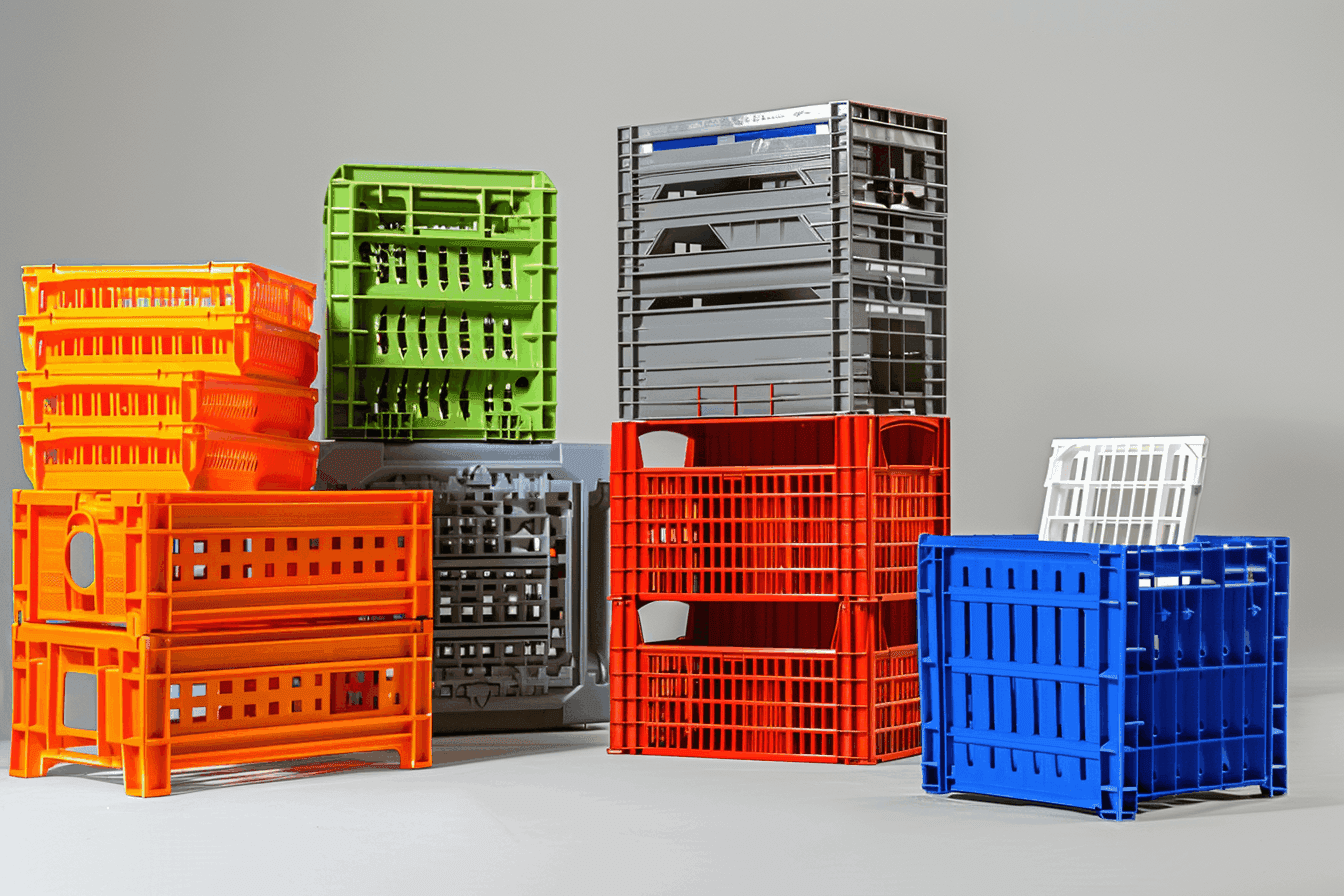
OIL & GAS | CHEMICALS

Oil & Gas and Chemicals Industries

Oil, Gas & Chemicals Division

Oil, gas, and chemical processing environments impose some of the most severe operating conditions in industrial production. Components are exposed to aggressive media, elevated temperatures, pressure fluctuations, continuous flow, and mechanical wear. In such environments, material selection is a decisive factor for operational safety, process stability, and economic performance. The Oil, Gas & Chemicals Division focuses on copper-based spare and wear parts manufactured from advanced WECOBA alloys, designed for applications where reliability, durability, and long-term stability are critical. These materials are developed to perform consistently under combined chemical, thermal, and mechanical stress, supporting safe operation, reduced maintenance effort, and optimized total cost of ownership.

Process Environment – Technical Background

In oil, gas, and chemical processing, copper-based components are commonly used where thermal conductivity, corrosion resistance, dimensional stability, and mechanical strength must coexist. Typical operating conditions include:

  • Continuous exposure to corrosive or reactive media

  • Elevated and fluctuating temperatures

  • High system pressures and flow velocities

  • Long operating cycles with limited access for maintenance

WECOBA copper alloys are engineered to maintain their functional properties under these conditions. Their material design supports resistance to wear, corrosion, and thermal fatigue, enabling predictable performance throughout extended service intervals.

Typical Applications in Oil, Gas & Chemical Processing

Valves control flow, pressure, and isolation throughout processing systems. Seats, guides, cages, and sealing-related components are subjected to continuous mechanical movement and direct contact with process media.

WECOBA copper alloys are selected for valve components where stable geometry and surface integrity are essential. Improved resistance to wear and deformation helps maintain sealing performance and flow control accuracy over time. Stable material behavior reduces leakage risk and extends maintenance intervals, contributing to safer and more reliable plant operation.

Pump Components

Pumps are critical assets in oil, gas, and chemical facilities, operating continuously under demanding conditions. Components such as wear rings, bushings, thrust elements, and sleeves experience friction, pressure, and exposure to aggressive fluids.

WECOBA alloys provide a combination of wear resistance and thermal conductivity that supports stable pump operation. Reduced material degradation helps preserve clearances and alignment, lowering the risk of efficiency losses or premature failure. Longer component life directly reduces downtime and maintenance-related costs.

Heat Exchanger Components

Heat exchangers rely on efficient and controlled heat transfer while operating in corrosive or high-pressure environments. Copper-based materials are commonly used for plates, tubes, inserts, and thermal interfaces.

WECOBA copper alloys are engineered to deliver consistent thermal performance while resisting corrosion and mechanical fatigue. Stable material properties support predictable heat transfer behavior and reduce the likelihood of deformation or cracking. This contributes to process efficiency, energy optimization, and long-term reliability of thermal systems.

Sealing and Bearing Elements

Sealing and bearing components are used in rotating and reciprocating equipment, where controlled friction and dimensional stability are critical. These elements often operate under boundary lubrication or mixed lubrication conditions.

WECOBA copper alloys offer favorable tribological properties and resistance to surface degradation. Their stability under load supports reliable motion control and reduces wear-related failures. Extended service life of these components contributes to smoother operation and reduced maintenance intervention.

Instrumentation and Control Components

Accurate measurement and control are essential in oil, gas, and chemical processes. Copper-based components are used in housings, contact elements, and thermal interfaces for sensors and control devices.

WECOBA alloys provide stable electrical and thermal characteristics, supporting consistent signal integrity and reliable operation. Material stability under temperature fluctuations helps preserve calibration accuracy and long-term functionality of instrumentation systems.

Material Performance Under Chemical Exposure

Chemical compatibility is a critical requirement in this sector. WECOBA copper alloys are selected and processed to provide resistance to a wide range of process media, including hydrocarbons, chemical intermediates, and industrial fluids.

Their controlled microstructure supports resistance to corrosion mechanisms such as erosion-corrosion, galvanic interaction, and chemical attack. This contributes to predictable component behavior and reduces the risk of sudden material degradation in critical process areas.

Material Quality as a Basis for Reliability

The performance of WECOBA components is driven by material quality rather than short-term optimization. Key characteristics include:

  • Resistance to wear under continuous operation

  • Dimensional stability under pressure and thermal load

  • Reliable behavior in chemically aggressive environments

  • Stable thermal and electrical properties

These attributes allow components to perform consistently throughout their intended service life, supporting process stability and operational safety.

Total Cost of Ownership and Operational Efficiency

In oil, gas, and chemical processing, the cost of unplanned downtime far exceeds the cost of individual components. Maintenance access is often limited, and system interruptions can have significant economic and safety implications.

By extending service intervals and reducing the frequency of component replacement, WECOBA copper-based spare and wear parts support a lower total cost of ownership. Improved reliability reduces emergency maintenance, stabilizes production planning, and supports long-term cost efficiency.

APPLICABLE ALLOYS
WECOBA® Ni10
WECOBA® Ni30
WECOBA® 190
WECOBA® 270
WECOBA® N
WECOBA® B

OIL & GAS | CHEMICALS

Oil & Gas and Chemicals Industries

Oil, Gas & Chemicals Division

Oil, gas, and chemical processing environments impose some of the most severe operating conditions in industrial production. Components are exposed to aggressive media, elevated temperatures, pressure fluctuations, continuous flow, and mechanical wear. In such environments, material selection is a decisive factor for operational safety, process stability, and economic performance. The Oil, Gas & Chemicals Division focuses on copper-based spare and wear parts manufactured from advanced WECOBA alloys, designed for applications where reliability, durability, and long-term stability are critical. These materials are developed to perform consistently under combined chemical, thermal, and mechanical stress, supporting safe operation, reduced maintenance effort, and optimized total cost of ownership.

Process Environment – Technical Background

In oil, gas, and chemical processing, copper-based components are commonly used where thermal conductivity, corrosion resistance, dimensional stability, and mechanical strength must coexist. Typical operating conditions include:

  • Continuous exposure to corrosive or reactive media

  • Elevated and fluctuating temperatures

  • High system pressures and flow velocities

  • Long operating cycles with limited access for maintenance

WECOBA copper alloys are engineered to maintain their functional properties under these conditions. Their material design supports resistance to wear, corrosion, and thermal fatigue, enabling predictable performance throughout extended service intervals.

Typical Applications in Oil, Gas & Chemical Processing

Valves control flow, pressure, and isolation throughout processing systems. Seats, guides, cages, and sealing-related components are subjected to continuous mechanical movement and direct contact with process media.

WECOBA copper alloys are selected for valve components where stable geometry and surface integrity are essential. Improved resistance to wear and deformation helps maintain sealing performance and flow control accuracy over time. Stable material behavior reduces leakage risk and extends maintenance intervals, contributing to safer and more reliable plant operation.

Pump Components

Pumps are critical assets in oil, gas, and chemical facilities, operating continuously under demanding conditions. Components such as wear rings, bushings, thrust elements, and sleeves experience friction, pressure, and exposure to aggressive fluids.

WECOBA alloys provide a combination of wear resistance and thermal conductivity that supports stable pump operation. Reduced material degradation helps preserve clearances and alignment, lowering the risk of efficiency losses or premature failure. Longer component life directly reduces downtime and maintenance-related costs.

Heat Exchanger Components

Heat exchangers rely on efficient and controlled heat transfer while operating in corrosive or high-pressure environments. Copper-based materials are commonly used for plates, tubes, inserts, and thermal interfaces.

WECOBA copper alloys are engineered to deliver consistent thermal performance while resisting corrosion and mechanical fatigue. Stable material properties support predictable heat transfer behavior and reduce the likelihood of deformation or cracking. This contributes to process efficiency, energy optimization, and long-term reliability of thermal systems.

Sealing and Bearing Elements

Sealing and bearing components are used in rotating and reciprocating equipment, where controlled friction and dimensional stability are critical. These elements often operate under boundary lubrication or mixed lubrication conditions.

WECOBA copper alloys offer favorable tribological properties and resistance to surface degradation. Their stability under load supports reliable motion control and reduces wear-related failures. Extended service life of these components contributes to smoother operation and reduced maintenance intervention.

Instrumentation and Control Components

Accurate measurement and control are essential in oil, gas, and chemical processes. Copper-based components are used in housings, contact elements, and thermal interfaces for sensors and control devices.

WECOBA alloys provide stable electrical and thermal characteristics, supporting consistent signal integrity and reliable operation. Material stability under temperature fluctuations helps preserve calibration accuracy and long-term functionality of instrumentation systems.

Material Performance Under Chemical Exposure

Chemical compatibility is a critical requirement in this sector. WECOBA copper alloys are selected and processed to provide resistance to a wide range of process media, including hydrocarbons, chemical intermediates, and industrial fluids.

Their controlled microstructure supports resistance to corrosion mechanisms such as erosion-corrosion, galvanic interaction, and chemical attack. This contributes to predictable component behavior and reduces the risk of sudden material degradation in critical process areas.

Material Quality as a Basis for Reliability

The performance of WECOBA components is driven by material quality rather than short-term optimization. Key characteristics include:

  • Resistance to wear under continuous operation

  • Dimensional stability under pressure and thermal load

  • Reliable behavior in chemically aggressive environments

  • Stable thermal and electrical properties

These attributes allow components to perform consistently throughout their intended service life, supporting process stability and operational safety.

Total Cost of Ownership and Operational Efficiency

In oil, gas, and chemical processing, the cost of unplanned downtime far exceeds the cost of individual components. Maintenance access is often limited, and system interruptions can have significant economic and safety implications.

By extending service intervals and reducing the frequency of component replacement, WECOBA copper-based spare and wear parts support a lower total cost of ownership. Improved reliability reduces emergency maintenance, stabilizes production planning, and supports long-term cost efficiency.

APPLICABLE ALLOYS
WECOBA® Ni10
WECOBA® Ni30
WECOBA® 190
WECOBA® 270
WECOBA® N
WECOBA® B

OIL & GAS | CHEMICALS

Oil & Gas and Chemicals Industries

Oil, Gas & Chemicals and Infrastructure

Oil, gas, and chemical processing environments impose some of the most severe operating conditions in industrial production. Components are exposed to aggressive media, elevated temperatures, pressure fluctuations, continuous flow, and mechanical wear. In such environments, material selection is a decisive factor for operational safety, process stability, and economic performance. The Oil, Gas & Chemicals Division focuses on copper-based spare and wear parts manufactured from advanced WECOBA alloys, designed for applications where reliability, durability, and long-term stability are critical. These materials are developed to perform consistently under combined chemical, thermal, and mechanical stress, supporting safe operation, reduced maintenance effort, and optimized total cost of ownership.

Process Environment – Technical Background

In oil, gas, and chemical processing, copper-based components are commonly used where thermal conductivity, corrosion resistance, dimensional stability, and mechanical strength must coexist. Typical operating conditions include:

  • Continuous exposure to corrosive or reactive media

  • Elevated and fluctuating temperatures

  • High system pressures and flow velocities

  • Long operating cycles with limited access for maintenance

WECOBA copper alloys are engineered to maintain their functional properties under these conditions. Their material design supports resistance to wear, corrosion, and thermal fatigue, enabling predictable performance throughout extended service intervals.

Typical Applications in Oil, Gas & Chemical Processing

Valves control flow, pressure, and isolation throughout processing systems. Seats, guides, cages, and sealing-related components are subjected to continuous mechanical movement and direct contact with process media.

WECOBA copper alloys are selected for valve components where stable geometry and surface integrity are essential. Improved resistance to wear and deformation helps maintain sealing performance and flow control accuracy over time. Stable material behavior reduces leakage risk and extends maintenance intervals, contributing to safer and more reliable plant operation.

Pump Components

Pumps are critical assets in oil, gas, and chemical facilities, operating continuously under demanding conditions. Components such as wear rings, bushings, thrust elements, and sleeves experience friction, pressure, and exposure to aggressive fluids.

WECOBA alloys provide a combination of wear resistance and thermal conductivity that supports stable pump operation. Reduced material degradation helps preserve clearances and alignment, lowering the risk of efficiency losses or premature failure. Longer component life directly reduces downtime and maintenance-related costs.

Heat Exchanger Components

Heat exchangers rely on efficient and controlled heat transfer while operating in corrosive or high-pressure environments. Copper-based materials are commonly used for plates, tubes, inserts, and thermal interfaces.

WECOBA copper alloys are engineered to deliver consistent thermal performance while resisting corrosion and mechanical fatigue. Stable material properties support predictable heat transfer behavior and reduce the likelihood of deformation or cracking. This contributes to process efficiency, energy optimization, and long-term reliability of thermal systems.

Sealing and Bearing Elements

Sealing and bearing components are used in rotating and reciprocating equipment, where controlled friction and dimensional stability are critical. These elements often operate under boundary lubrication or mixed lubrication conditions.

WECOBA copper alloys offer favorable tribological properties and resistance to surface degradation. Their stability under load supports reliable motion control and reduces wear-related failures. Extended service life of these components contributes to smoother operation and reduced maintenance intervention.

Instrumentation and Control Components

Accurate measurement and control are essential in oil, gas, and chemical processes. Copper-based components are used in housings, contact elements, and thermal interfaces for sensors and control devices.

WECOBA alloys provide stable electrical and thermal characteristics, supporting consistent signal integrity and reliable operation. Material stability under temperature fluctuations helps preserve calibration accuracy and long-term functionality of instrumentation systems.

Material Performance Under Chemical Exposure

Chemical compatibility is a critical requirement in this sector. WECOBA copper alloys are selected and processed to provide resistance to a wide range of process media, including hydrocarbons, chemical intermediates, and industrial fluids.

Their controlled microstructure supports resistance to corrosion mechanisms such as erosion-corrosion, galvanic interaction, and chemical attack. This contributes to predictable component behavior and reduces the risk of sudden material degradation in critical process areas.

Material Quality as a Basis for Reliability

The performance of WECOBA components is driven by material quality rather than short-term optimization. Key characteristics include:

  • Resistance to wear under continuous operation

  • Dimensional stability under pressure and thermal load

  • Reliable behavior in chemically aggressive environments

  • Stable thermal and electrical properties

These attributes allow components to perform consistently throughout their intended service life, supporting process stability and operational safety.

Total Cost of Ownership and Operational Efficiency

In oil, gas, and chemical processing, the cost of unplanned downtime far exceeds the cost of individual components. Maintenance access is often limited, and system interruptions can have significant economic and safety implications.

By extending service intervals and reducing the frequency of component replacement, WECOBA copper-based spare and wear parts support a lower total cost of ownership. Improved reliability reduces emergency maintenance, stabilizes production planning, and supports long-term cost efficiency.

APPLICABLE ALLOYS
WECOBA® Ni10
WECOBA® Ni30
WECOBA® 190
WECOBA® 270
WECOBA® N
WECOBA® B

HIGH CONDUCTIVITY

COPPER ALLOY

WECOBA® N
  • Core inserts and components for injection moulding tools

  • Blow moulding and thermoforming tools

  • Welding fixtures

  • Moulds for non-ferrous metal casting

Ni

NICKEL

Si

SILICON

Cr

CHROMIUM

OTHERS

Cu

COPPER

7.0

2.1

0.9

max. 0.5

balance

  • Highest strength and hardness among beryllium-free alloys

  • Very good electrical and thermal conductivity

  • High thermal stability

  • Good corrosion resistance

  • Beryllium-free alternative to CuBe2

HIGH CONDUCTIVITY

COPPER ALLOY WITH BERYLLIUM

WECOBA® B
  • Highly loaded components for flash butt and projection welding

  • Spark-free and non-magnetic manual tools

  • Mould inserts, cooling plates and cooling pins

Co

COBALT

Ni

NICKEL

Be

BERYLLIUM

Co+Ni+Fe

Cu

COPPER

min. 0.2

1.9

max. 0.6

balance

  • Highest hardness and tensile strength among low-alloy copper materials

  • High electrical and thermal conductivity

  • High thermal stability at elevated temperatures

  • Very high creep resistance

  • Suitable for mould making applications involving abrasive plastics

HIGH STRENGTH | WEAR RESISTANCE

ALUMINIUM BRONZE

WECOBA® 190
  • Bearings and bushings

  • Gears and worm gears

  • Sliding elements and wear parts

  • Guide strips and sliding blocks

  • Keys and spindle nuts

  • Pinions, bevel gears, levers and housings

  • Sealing rings and wipers

Al

Fe


Cu

ALUMINIUM

IRON

OTHERS

COPPER

11

3.5

max. 0.5

balance

  • Higher strength and hardness compared with other alloys in this material group

  • Balanced ratio of toughness and ductility for high load capacity

  • Very good corrosion resistance suitable for aggressive fluids.

  • High wear resistance supporting extended service life

  • Very good sliding properties suitable as a mating material for stainless steel

  • Proven performance under severe operating conditions including marine environments and heavy-duty machinery

  • Versatile use across a wide range of mechanical engineering applications

HIGH STRENGTH | WEAR RESISTANCE | HIGH FATIGUE RESISTANCE

ALUMINIUM BRONZE

WECOBA® 270
  • Bearings, bushings, shafts, journal bearings and gears

  • Valves, valve seats, flanges and high-temperature steam fittings

  • Sliding elements, wear parts and guide strips

Al

ALUMINIUM

Fe

IRON

Ni

NICKEL

Mn

MANGANESE

OTHERS

Cu

COPPER

  10.8

5.0

5.4

1.0

max. 0.5

balance

  • High strength and hardness suitable for extreme mechanical loads and elevated temperatures

  • Balanced combination of toughness and ductility for highly loaded components

  • Very good corrosion wear and heat resistance

  • Good sliding properties ensuring reliable performance at low and high contact pressures

  • Proven performance under extreme operating conditions including marine applications and high-performance components

  • Performance exceeding standard nickel aluminum bronzes with extended service life and increased reliability

HIGH CORROSION RESISTANCE

COPPER NICKEL ALLOY

WECOBA® Ni10
  • Components for piping systems and plant engineering, particularly in seawater-carrying installations, such as fittings including flanges, valves, connectors and joint elements

  • Plates and tube sheets for heat exchangers and condensers, as well as feedwater preheaters (low pressure), freshwater generators, air conditioning systems, process equipment, finned tubes and brake lines

  • High-quality alternatives for bolts and nuts, particularly as an upgrade where corrosion-related loads exceed the performance limits of nickel aluminium bronzes

Ni

Fe

Mn

Zn

Co

Pb

P

Sn

S

C


Cu

NICKEL

IRON

MANGAN.

ZINC

COBALT

LEAD

PHOSPHOR

TIN

SULFUR

CARBON

OTHERS

COPPER

  10.0

1.6

0.7

max. 0.5

max. 0.1

max. 0.2

max. 0.2

max. 0.3

max. 0.05

max. 0.05

max. 0.2

balance

  • Excellent resistance to corrosion, cavitation and erosion

  • Very good balance between mechanical load capacity and durability

HIGH CORROSION RESISTANCE

COPPER NICKEL ALLOY

WECOBA® Ni30
  • Components for piping systems and plant engineering, particularly in seawater-carrying installations, such as fittings including flanges, valves, connection and joint elements

  • Plates and tube sheets for heat exchangers and condensers, as well as feedwater preheaters (low pressure), freshwater generators, air conditioning systems, process equipment, finned tubes and brake lines

  • High-quality alternatives for bolts and nuts, particularly as an upgrade where corrosion-related loads exceed the performance limits of WECOBA® Ni10

Ni

Fe

Mn

Zn

Co

Pb

P

Sn

S

C


Cu

NICKEL

IRON

MANGAN.

ZINC

COBALT

LEAD

PHOSPHOR

TIN

SULFUR

CARBON

OTHERS

COPPER

  31.0

0.6

1.0

max. 0.5

max. 0.1

max. 0.2

max. 0.2

max. 0.3

max. 0.3

max. 0.05

max. 0.2

balance

  • Excellent resistance to corrosion, cavitation and erosion

  • Excellent balance between mechanical load capacity and durability

HIGH CORROSION RESISTANCE

COPPER NICKEL ALLOY

WECOBA® Ni14
  • This alloy is used for fittings as well as for screws, nuts, shafts, and connectors.

  • It is particularly suitable for applications in seawater environments and for non-magnetic components in marine engineering.

  • Other typical applications include short-circuit rings for electric motors.

  • The material is also used in the production of plain bearings (bushings).

Ni

Fe

Mn

Zn

Si

Al


Cu

NICKEL

IRON

MANGAN.

ZINC

SILICON

ALUMINIUM

OTHERS

COPPER

  14.0

max.1.5

max.1.0

max. 0.3

max. 0.1

2.5

max. 0.5

balance

  • Excellent resistance to corrosion, cavitation and erosion

  • Higher strength than WECOBA® Ni10 (CW352H)

  • Non-magnetic

MARITIME & OFFSHORE

Maritime and Offshore Industries

Material Reliability for Corrosive and Wear-Intensive Environments

Maritime and offshore environments represent one of the most aggressive operating conditions for industrial components. Continuous exposure to seawater, salt-laden air, humidity, pressure variations, and mechanical load places exceptional demands on materials. In these applications, corrosion resistance and controlled wear behavior are critical to ensuring long-term reliability and operational safety. The Maritime & Offshore Division focuses on copper- and bronze-based spare and wear parts manufactured from advanced WECOBA alloys, developed for environments where corrosion resistance, mechanical durability, and predictable service life are essential. These materials are designed to support stable operation, reduced maintenance effort, and optimized lifecycle performance in marine and offshore systems.

Maritime & Offshore Operating Environment

Marine and offshore equipment operates under a combination of environmental and mechanical stress factors that accelerate material degradation. Typical conditions include:

  • Continuous or intermittent contact with seawater

  • Salt spray and high atmospheric humidity

  • Temperature fluctuations and thermal cycling

  • Mechanical load, vibration, and relative motion

  • Limited access for inspection and maintenance

Copper- and bronze-based materials are widely used in these environments due to their inherent corrosion resistance and favorable tribological properties. WECOBA alloys are engineered to enhance these characteristics, supporting predictable material behavior over extended service periods.

Typical Maritime & Offshore Applications

Bearings and Bushings

Plain bearings and bushings are used extensively in marine propulsion systems, deck machinery, steering systems, and offshore handling equipment. These components must operate reliably under load, vibration, and often in poorly lubricated or water-lubricated conditions.

WECOBA bronze alloys are designed to provide controlled friction and resistance to adhesive and abrasive wear while offering inherent resistance to seawater-induced corrosion. Stable material behavior helps maintain bearing clearances and load distribution, reducing the risk of seizure and extending service life in harsh marine environments.

Wear Plates and Sliding Components

Wear plates, strips, and sliding elements are used to protect structural components in cranes, winches, hatch covers, and offshore handling systems. These parts are exposed to repeated contact, impact, and environmental corrosion.

WECOBA copper and bronze alloys offer predictable wear behavior combined with resistance to surface degradation caused by saltwater and contaminants. Their durability supports longer replacement intervals and helps protect higher-value structural components from premature damage.

Pump and Valve Components

Marine and offshore systems rely heavily on pumps and valves for fluid handling, ballast systems, cooling circuits, and process control. Internal components such as seats, guides, bushings, and wear rings are exposed to corrosive media and mechanical movement.

WECOBA alloys provide resistance to corrosion mechanisms while maintaining dimensional stability under mechanical load. Improved material durability supports consistent sealing and flow control, reducing leakage risk and maintenance frequency.

Shaft Support and Thrust Components

Shaft support elements and thrust components are used in propulsion systems, auxiliary drives, and offshore equipment. These parts must absorb axial and radial loads while operating in corrosive environments.

WECOBA bronze alloys offer resistance to surface fatigue and corrosion-related wear. Stable mechanical properties help preserve functional geometry and ensure reliable force transmission over long operating periods.

Structural Protection and Sacrificial Wear Parts

In many marine applications, wear parts are intentionally designed to protect primary structures from mechanical and environmental damage.

WECOBA bronze materials are selected to provide controlled, predictable wear while resisting aggressive corrosion. This allows wear to occur where intended, simplifying inspection routines and reducing the risk of damage to critical structural components.

Corrosion Resistance as a Primary Design Criterion

Corrosion is often the dominant failure mechanism in maritime and offshore applications. WECOBA copper and bronze alloys are selected and processed to resist corrosion mechanisms such as:

  • Uniform corrosion caused by seawater exposure

  • Erosion-corrosion under flowing media

  • Galvanic interaction with steel and other metals

  • Crevice and surface degradation in humid environments

Controlled alloy composition and microstructure help ensure predictable corrosion behavior and long-term material integrity.

Controlled Wear in Marine Environments

In addition to corrosion, mechanical wear remains a critical factor in moving marine systems. WECOBA alloys are engineered to balance corrosion resistance with favorable tribological performance.

Key material characteristics include:

  • Stable friction behavior under load

  • Resistance to surface tearing and smearing

  • Compatibility with steel and coated counterfaces

  • Predictable wear rates under mixed lubrication

This balance supports reliable motion and reduced maintenance effort in demanding environments.

Lifecycle Efficiency and Total Cost of Ownership

Maritime and offshore operations often involve high costs associated with access, inspection, and downtime. Component replacement frequently requires specialized personnel, vessels, or system shutdowns.

By extending service life and reducing the rate of corrosion- and wear-related degradation, WECOBA copper- and bronze-based spare and wear parts support lower total cost of ownership. Longer maintenance intervals, improved reliability, and reduced unplanned interventions contribute to safer and more economical operation.

APPLICABLE ALLOYS
WECOBA® Ni10
WECOBA® Ni30
WECOBA® 190
WECOBA® 270
WECOBA® N
WECOBA® B

MARITIME & OFFSHORE

Maritime and Offshore Industries

Material Reliability for Corrosive and Wear-Intensive Environments

Maritime and offshore environments represent one of the most aggressive operating conditions for industrial components. Continuous exposure to seawater, salt-laden air, humidity, pressure variations, and mechanical load places exceptional demands on materials. In these applications, corrosion resistance and controlled wear behavior are critical to ensuring long-term reliability and operational safety. The Maritime & Offshore Division focuses on copper- and bronze-based spare and wear parts manufactured from advanced WECOBA alloys, developed for environments where corrosion resistance, mechanical durability, and predictable service life are essential. These materials are designed to support stable operation, reduced maintenance effort, and optimized lifecycle performance in marine and offshore systems.

Maritime & Offshore Operating Environment

Marine and offshore equipment operates under a combination of environmental and mechanical stress factors that accelerate material degradation. Typical conditions include:

  • Continuous or intermittent contact with seawater

  • Salt spray and high atmospheric humidity

  • Temperature fluctuations and thermal cycling

  • Mechanical load, vibration, and relative motion

  • Limited access for inspection and maintenance

Copper- and bronze-based materials are widely used in these environments due to their inherent corrosion resistance and favorable tribological properties. WECOBA alloys are engineered to enhance these characteristics, supporting predictable material behavior over extended service periods.

Typical Maritime & Offshore Applications

Bearings and Bushings

Plain bearings and bushings are used extensively in marine propulsion systems, deck machinery, steering systems, and offshore handling equipment. These components must operate reliably under load, vibration, and often in poorly lubricated or water-lubricated conditions.

WECOBA bronze alloys are designed to provide controlled friction and resistance to adhesive and abrasive wear while offering inherent resistance to seawater-induced corrosion. Stable material behavior helps maintain bearing clearances and load distribution, reducing the risk of seizure and extending service life in harsh marine environments.

Wear Plates and Sliding Components

Wear plates, strips, and sliding elements are used to protect structural components in cranes, winches, hatch covers, and offshore handling systems. These parts are exposed to repeated contact, impact, and environmental corrosion.

WECOBA copper and bronze alloys offer predictable wear behavior combined with resistance to surface degradation caused by saltwater and contaminants. Their durability supports longer replacement intervals and helps protect higher-value structural components from premature damage.

Pump and Valve Components

Marine and offshore systems rely heavily on pumps and valves for fluid handling, ballast systems, cooling circuits, and process control. Internal components such as seats, guides, bushings, and wear rings are exposed to corrosive media and mechanical movement.

WECOBA alloys provide resistance to corrosion mechanisms while maintaining dimensional stability under mechanical load. Improved material durability supports consistent sealing and flow control, reducing leakage risk and maintenance frequency.

Shaft Support and Thrust Components

Shaft support elements and thrust components are used in propulsion systems, auxiliary drives, and offshore equipment. These parts must absorb axial and radial loads while operating in corrosive environments.

WECOBA bronze alloys offer resistance to surface fatigue and corrosion-related wear. Stable mechanical properties help preserve functional geometry and ensure reliable force transmission over long operating periods.

Structural Protection and Sacrificial Wear Parts

In many marine applications, wear parts are intentionally designed to protect primary structures from mechanical and environmental damage.

WECOBA bronze materials are selected to provide controlled, predictable wear while resisting aggressive corrosion. This allows wear to occur where intended, simplifying inspection routines and reducing the risk of damage to critical structural components.

Corrosion Resistance as a Primary Design Criterion

Corrosion is often the dominant failure mechanism in maritime and offshore applications. WECOBA copper and bronze alloys are selected and processed to resist corrosion mechanisms such as:

  • Uniform corrosion caused by seawater exposure

  • Erosion-corrosion under flowing media

  • Galvanic interaction with steel and other metals

  • Crevice and surface degradation in humid environments

Controlled alloy composition and microstructure help ensure predictable corrosion behavior and long-term material integrity.

Controlled Wear in Marine Environments

In addition to corrosion, mechanical wear remains a critical factor in moving marine systems. WECOBA alloys are engineered to balance corrosion resistance with favorable tribological performance.

Key material characteristics include:

  • Stable friction behavior under load

  • Resistance to surface tearing and smearing

  • Compatibility with steel and coated counterfaces

  • Predictable wear rates under mixed lubrication

This balance supports reliable motion and reduced maintenance effort in demanding environments.

Lifecycle Efficiency and Total Cost of Ownership

Maritime and offshore operations often involve high costs associated with access, inspection, and downtime. Component replacement frequently requires specialized personnel, vessels, or system shutdowns.

By extending service life and reducing the rate of corrosion- and wear-related degradation, WECOBA copper- and bronze-based spare and wear parts support lower total cost of ownership. Longer maintenance intervals, improved reliability, and reduced unplanned interventions contribute to safer and more economical operation.

APPLICABLE ALLOYS
WECOBA® Ni10
WECOBA® Ni30
WECOBA® 190
WECOBA® 270
WECOBA® N
WECOBA® B

HIGH CONDUCTIVITY

COPPER ALLOY

WECOBA® N
  • Core inserts and components for injection moulding tools

  • Blow moulding and thermoforming tools

  • Welding fixtures

  • Moulds for non-ferrous metal casting

Ni

NICKEL

Si

SILICON

Cr

CHROMIUM

OTHERS

Cu

COPPER

7.0

2.1

0.9

max. 0.5

balance

  • Highest strength and hardness among beryllium-free alloys

  • Very good electrical and thermal conductivity

  • High thermal stability

  • Good corrosion resistance

  • Beryllium-free alternative to CuBe2

HIGH CONDUCTIVITY

COPPER ALLOY WITH BERYLLIUM

WECOBA® B
  • Highly loaded components for flash butt and projection welding

  • Spark-free and non-magnetic manual tools

  • Mould inserts, cooling plates and cooling pins

Co

COBALT

Ni

NICKEL

Be

BERYLLIUM

Co+Ni+Fe

Cu

COPPER

min. 0.2

1.9

max. 0.6

balance

  • Highest hardness and tensile strength among low-alloy copper materials

  • High electrical and thermal conductivity

  • High thermal stability at elevated temperatures

  • Very high creep resistance

  • Suitable for mould making applications involving abrasive plastics

HIGH STRENGTH | WEAR RESISTANCE

ALUMINIUM BRONZE

WECOBA® 190
  • Bearings and bushings

  • Gears and worm gears

  • Sliding elements and wear parts

  • Guide strips and sliding blocks

  • Keys and spindle nuts

  • Pinions, bevel gears, levers and housings

  • Sealing rings and wipers

Al

Fe


Cu

ALUMINIUM

IRON

OTHERS

COPPER

11

3.5

max. 0.5

balance

  • Higher strength and hardness compared with other alloys in this material group

  • Balanced ratio of toughness and ductility for high load capacity

  • Very good corrosion resistance suitable for aggressive fluids.

  • High wear resistance supporting extended service life

  • Very good sliding properties suitable as a mating material for stainless steel

  • Proven performance under severe operating conditions including marine environments and heavy-duty machinery

  • Versatile use across a wide range of mechanical engineering applications

HIGH STRENGTH | WEAR RESISTANCE | HIGH FATIGUE RESISTANCE

ALUMINIUM BRONZE

WECOBA® 270
  • Bearings, bushings, shafts, journal bearings and gears

  • Valves, valve seats, flanges and high-temperature steam fittings

  • Sliding elements, wear parts and guide strips

Al

ALUMINIUM

Fe

IRON

Ni

NICKEL

Mn

MANGANESE

OTHERS

Cu

COPPER

  10.8

5.0

5.4

1.0

max. 0.5

balance

  • High strength and hardness suitable for extreme mechanical loads and elevated temperatures

  • Balanced combination of toughness and ductility for highly loaded components

  • Very good corrosion wear and heat resistance

  • Good sliding properties ensuring reliable performance at low and high contact pressures

  • Proven performance under extreme operating conditions including marine applications and high-performance components

  • Performance exceeding standard nickel aluminum bronzes with extended service life and increased reliability

HIGH CORROSION RESISTANCE

COPPER NICKEL ALLOY

WECOBA® Ni10
  • Components for piping systems and plant engineering, particularly in seawater-carrying installations, such as fittings including flanges, valves, connectors and joint elements

  • Plates and tube sheets for heat exchangers and condensers, as well as feedwater preheaters (low pressure), freshwater generators, air conditioning systems, process equipment, finned tubes and brake lines

  • High-quality alternatives for bolts and nuts, particularly as an upgrade where corrosion-related loads exceed the performance limits of nickel aluminium bronzes

Ni

Fe

Mn

Zn

Co

Pb

P

Sn

S

C


Cu

NICKEL

IRON

MANGAN.

ZINC

COBALT

LEAD

PHOSPHOR

TIN

SULFUR

CARBON

OTHERS

COPPER

  10.0

1.6

0.7

max. 0.5

max. 0.1

max. 0.2

max. 0.2

max. 0.3

max. 0.05

max. 0.05

max. 0.2

balance

  • Excellent resistance to corrosion, cavitation and erosion

  • Very good balance between mechanical load capacity and durability

HIGH CORROSION RESISTANCE

COPPER NICKEL ALLOY

WECOBA® Ni30
  • Components for piping systems and plant engineering, particularly in seawater-carrying installations, such as fittings including flanges, valves, connection and joint elements

  • Plates and tube sheets for heat exchangers and condensers, as well as feedwater preheaters (low pressure), freshwater generators, air conditioning systems, process equipment, finned tubes and brake lines

  • High-quality alternatives for bolts and nuts, particularly as an upgrade where corrosion-related loads exceed the performance limits of WECOBA® Ni10

Ni

Fe

Mn

Zn

Co

Pb

P

Sn

S

C


Cu

NICKEL

IRON

MANGAN.

ZINC

COBALT

LEAD

PHOSPHOR

TIN

SULFUR

CARBON

OTHERS

COPPER

  31.0

0.6

1.0

max. 0.5

max. 0.1

max. 0.2

max. 0.2

max. 0.3

max. 0.3

max. 0.05

max. 0.2

balance

  • Excellent resistance to corrosion, cavitation and erosion

  • Excellent balance between mechanical load capacity and durability

HIGH CORROSION RESISTANCE

COPPER NICKEL ALLOY

WECOBA® Ni14
  • This alloy is used for fittings as well as for screws, nuts, shafts, and connectors.

  • It is particularly suitable for applications in seawater environments and for non-magnetic components in marine engineering.

  • Other typical applications include short-circuit rings for electric motors.

  • The material is also used in the production of plain bearings (bushings).

Ni

Fe

Mn

Zn

Si

Al


Cu

NICKEL

IRON

MANGAN.

ZINC

SILICON

ALUMINIUM

OTHERS

COPPER

  14.0

max.1.5

max.1.0

max. 0.3

max. 0.1

2.5

max. 0.5

balance

  • Excellent resistance to corrosion, cavitation and erosion

  • Higher strength than WECOBA® Ni10 (CW352H)

  • Non-magnetic

Let's build the

Future

Together

We believe in long-term partnerships. Contact us to explore how our expertise can help bring your most ambitious projects to life.

Futuristic place with person

Let's build the

Future

Together

We believe in long-term partnerships. Contact us to explore how our expertise can help bring your most ambitious projects to life.

Futuristic place with person

Let's build the

Future

Together

We believe in long-term partnerships. Contact us to explore how our expertise can help bring your most ambitious projects to life.

Futuristic place with person